Trade foil supply with press-side manners.
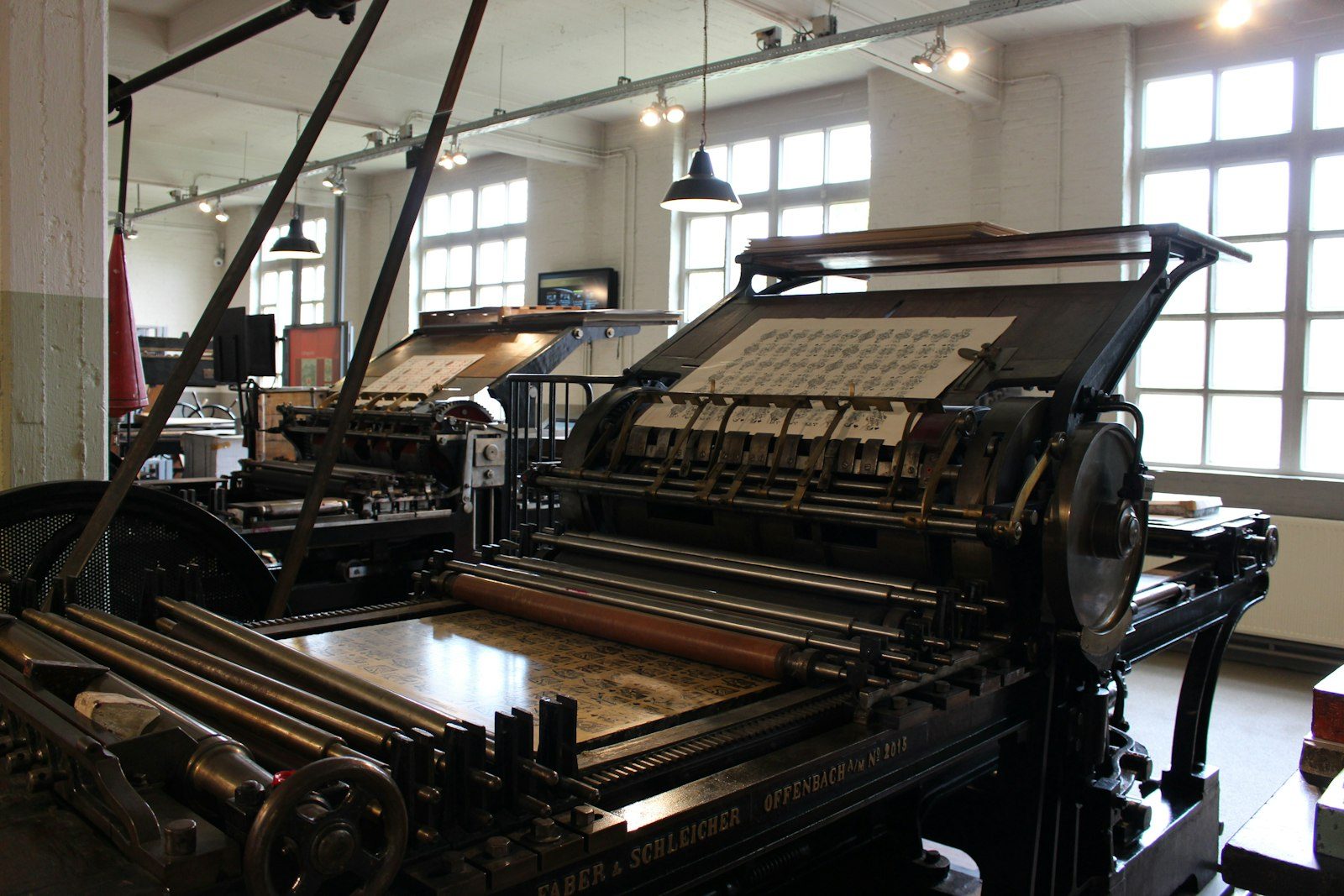
Most briefs that mention Stamping Foil trade desk start with a finish mood, not a foil grade. We translate that mood into a roll that can actually run on the press you have on the floor today.
On coated board, Stamping Foil trade desk usually wants a medium release and a heat window that does not scorch the ink stack underneath. Soft-touch laminate is less forgiving, so we flag grades that bite without tearing the soft layer.
Trade printers in Gauteng often keep two golds and one silver on the shelf, then indent pigment or holographic when a brand job lands. That pattern still works. We just keep the swatch books honest so the indent is not a surprise.
If adhesion looks weak, check varnish and corona before blaming the foil. A lot of 'bad foil' tickets turn out to be a stacking issue that a different dwell or a cleaner die face would have caught in make-ready.
We store rolls upright in Jet Park and ask partners not to leave cartons in a hot bakkie over a long weekend. Foil is tough, but humidity and heat still shorten the useful life of a sensitive holographic lot.
For Stamping Foil trade desk, sample drawdowns beat PDF mockups. Send us the stock you plan to run, or pick up a swatch at the Johannesburg counter before you lock the dieline.
Short-run studios can work from narrower rolls. Converters on long carton jobs usually want wider webs and batch notes that match what the brand signed off last season.
MD Thandiwe Nkosi keeps the Jet Park floor honest. Technical sits with Pieter. Trade coverage spans Johannesburg, Cape Town, Durban and Pretoria.
Keeps trade relationships honest and the Jet Park floor moving.
Release profiles, heat windows and press-side diagnostics.
Johannesburg and Pretoria converters, sample kits, rush rolls.
Carton and label specs with brand owners and agencies.
Stock turns, courier cut-offs and roll integrity.
Pigment matches and holographic controlled lots.
From the desk
Write heat windows in plain language for the crew on shift. If a grade wants a narrow band, that note sits on the outer carton where someone will actually see it. Return unused foil in the original wrap. Open cartons pick up dust that reads as pinholes once you are under a loupe with a brand manager nearby.
Sample cards should travel with the job bag, not live only in a sales WhatsApp. Date them. When something feels off on press, you want a physical anchor. Train a second operator on the tricky nest. Leave cover should not equal tribal knowledge loss.
When a carton brief lands with a tight foil panel next to heavy coverage ink, ask for the make-ready sheet first. Registration drift on older platens shows up as a bright edge that no amount of cleanup will hide on the finished blank. Operators usually prefer a slightly cooler dwell on soft-touch stocks, then a second pass only if coverage still looks hungry.
Durban humidity and Highveld winter air treat the same holographic lot differently. Note storage side for every carton that leaves the counter so the converter matches the signed sample, not the roll that sat in a bakkie. If your dieline puts foil across a score, tell us before we cut. A narrow break can look intentional in a mockup and accidental on shelf.
Mail foil@stampingfoil.co.za with photos and constraints if you want a same-week reading of your brief.
