

Chrome Mirror substrates
Where Chrome Mirror can transfer cleanly, and where to test first. Use these notes to match the foil to your substrate and press setup.
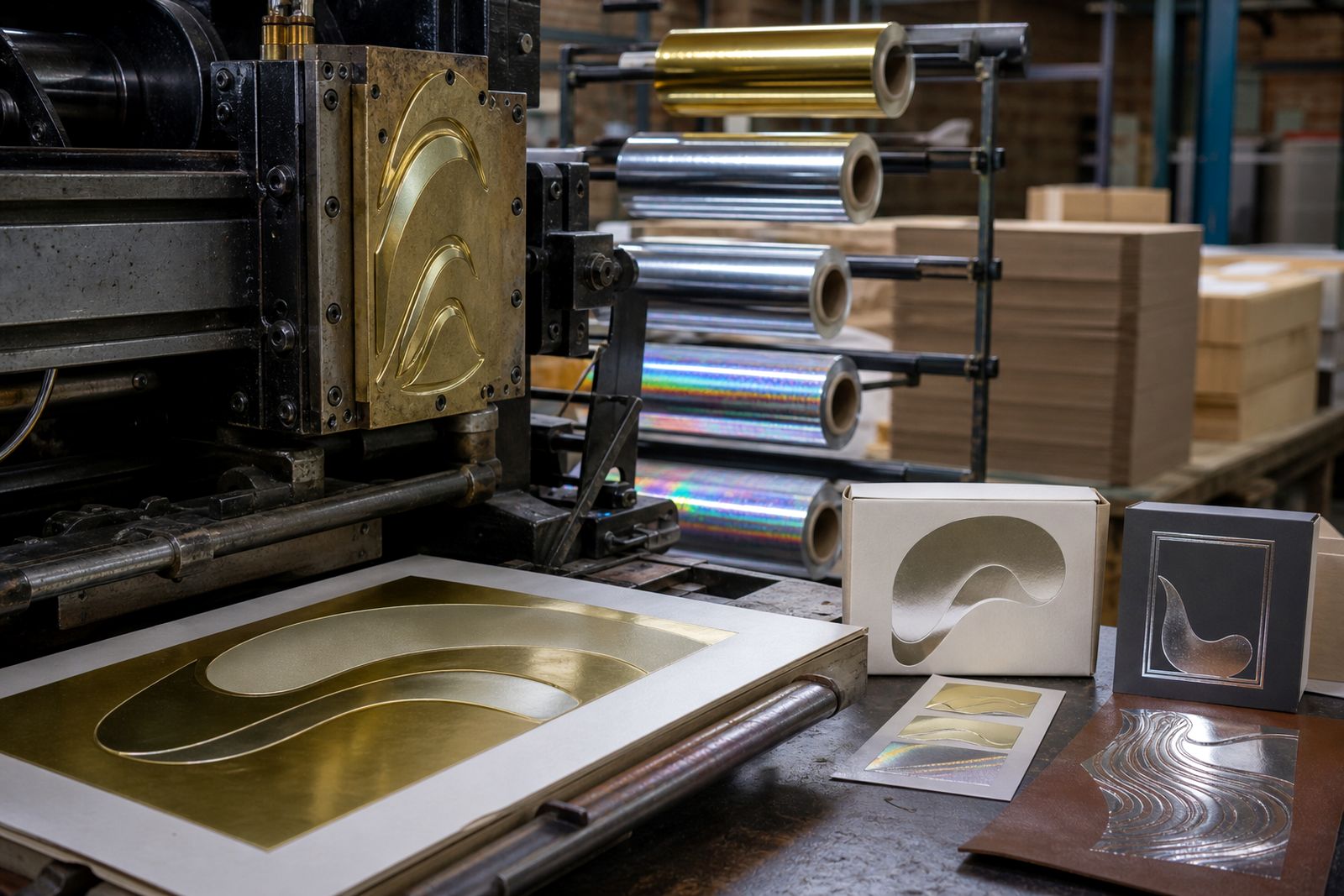
what the foil is used for
Chrome Mirror is a reflective hot stamping foil for decorative branding where a sharp mirror finish is wanted. It is often used on cosmetics cartons, ABS plaques and gift sleeves, and can also be tested on other smooth, suitable surfaces.
This family is usually chosen when the aim is a bright chrome effect rather than a simple colour block. For related product details, see Chrome Mirror Specifications and Chrome Mirror press notes.
substrates that suit
Start with smooth, stable surfaces that allow even heat and pressure across the image. Coated board is usually a better first test than rough or highly absorbent board, while uncoated board may need more careful make-ready and testing.
- Coated and uncoated board for cartons, sleeves and display pieces
- Soft-touch and gloss laminate where the surface is fully cured and clean
- UV varnish where the coating is well set and the release is checked first
- Labels on smooth stock with consistent tension and register
- Plastics, leather and textiles where the base material and top finish are suitable for foil testing
Use the contact form if you need help deciding which substrate should be tested first.
what to test first
Before a long run, run short samples across the exact material and press setup you plan to use. Check the temperature window, dwell, pressure and release behaviour together, not one setting on its own.
For Chrome Mirror, the usual starting point is 135 to 150°C with firm pressure, but the correct result still depends on the substrate, the coating and the press. Test on the actual job stock, then inspect edge sharpness, film transfer and any sign of pullback or over-release.
- Test the finish on the final board, laminate or plastic
- Check whether the image holds cleanly on solid areas and fine detail
- Look for uneven transfer at edges, creases or high spots
- Confirm that the coating is dry, cured and free of contamination
press and die setup
This foil can be run on platen, cylinder and roll-to-roll presses, provided the make-ready is matched to the image and substrate. Magnesium, copper and brass dies may all be used depending on the work, but the die choice should suit the detail, life and heat transfer needed.
Press-side checks should include flatness, packing, impression balance and release profile. If the foil is not releasing cleanly, review dwell and pressure before changing everything else. Small changes often matter more than major resets.
- Set the image area for even contact across the full stamp
- Keep the substrate feed consistent to avoid movement under pressure
- Check that the die and backing are clean before starting
- Make sure the press can hold the chosen temperature window steadily
how it is supplied
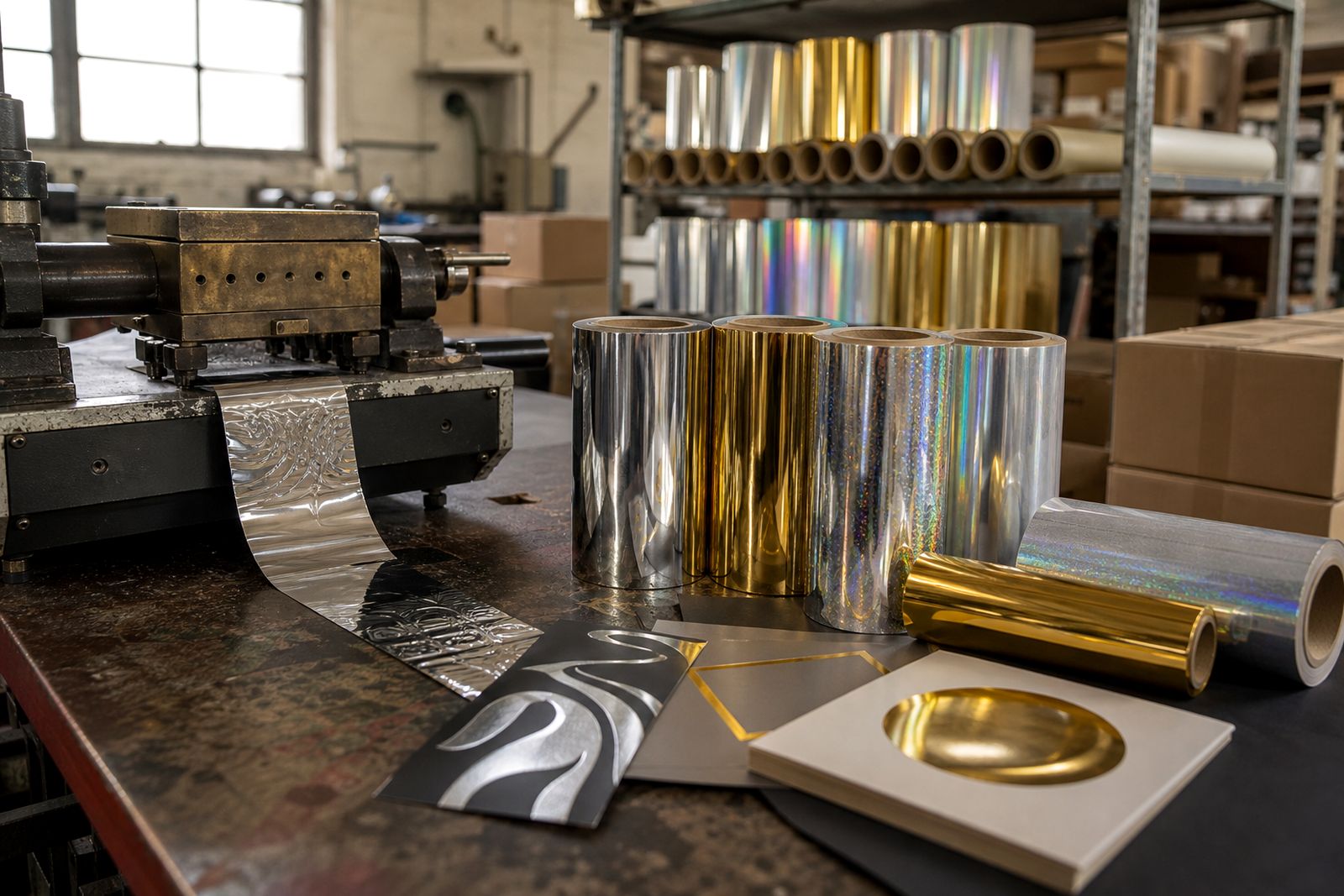
Chrome Mirror is supplied slit to roll width for production use, so the roll can be matched to the press and the job width. That helps reduce waste and makes repeat runs easier to manage.
Swatch books, samples and press-side advice are available for selection and testing. If you are comparing finishes or planning a new substrate test, start with a small sample run and then move to the full order only after the result is confirmed.
| Check | What to confirm |
|---|---|
| Temperature window | Use a starting range and test on the actual substrate |
| Dwell | Confirm the foil has enough contact time to release cleanly |
| Pressure | Use firm, even pressure across the stamp area |
| Release | Watch for clean lift, sharp edges and no patchy transfer |
For ordering support, go to Order Chrome Mirror.
What our Hot Stamping Foil customers say
Verified Google reviews
Also worth a look
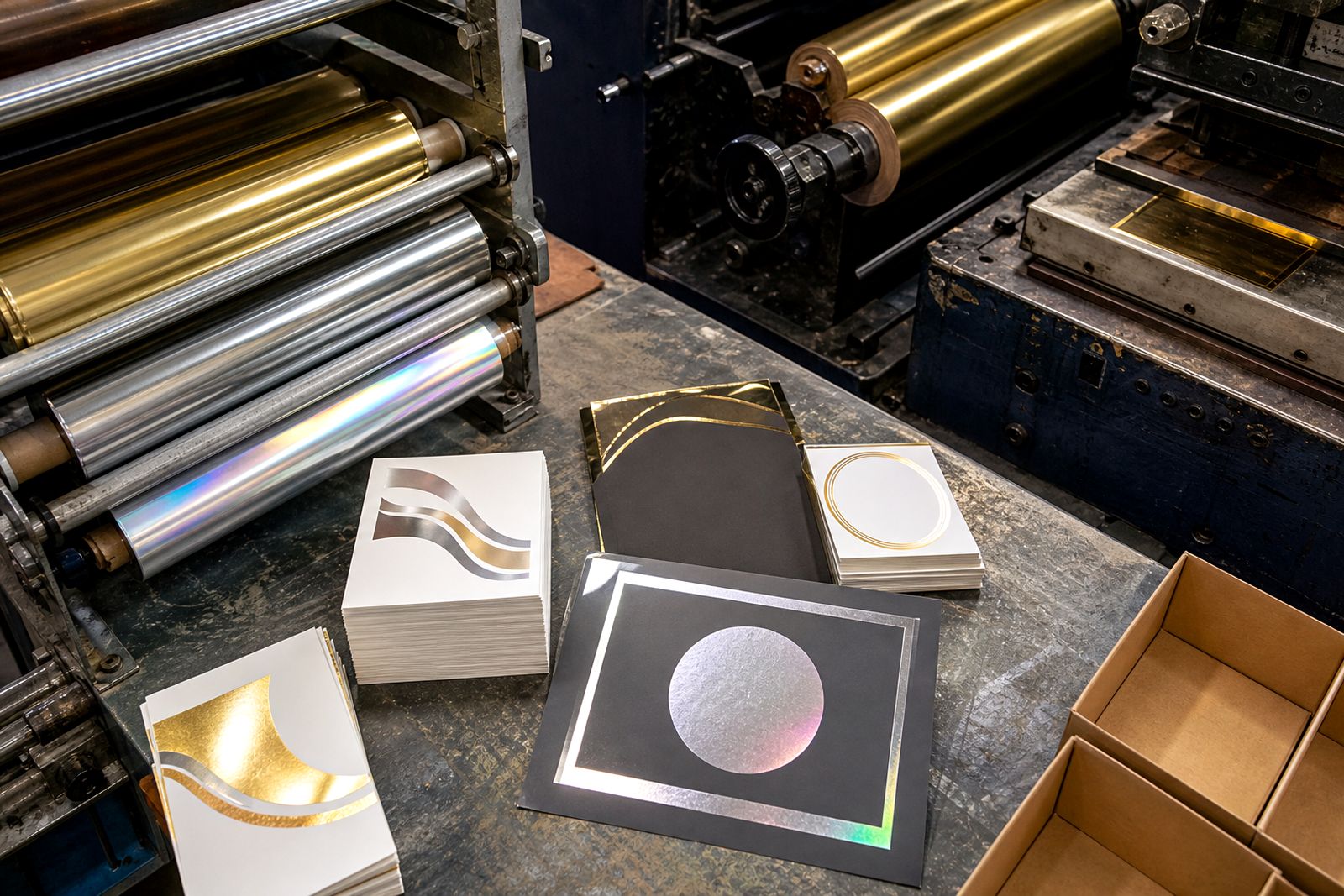
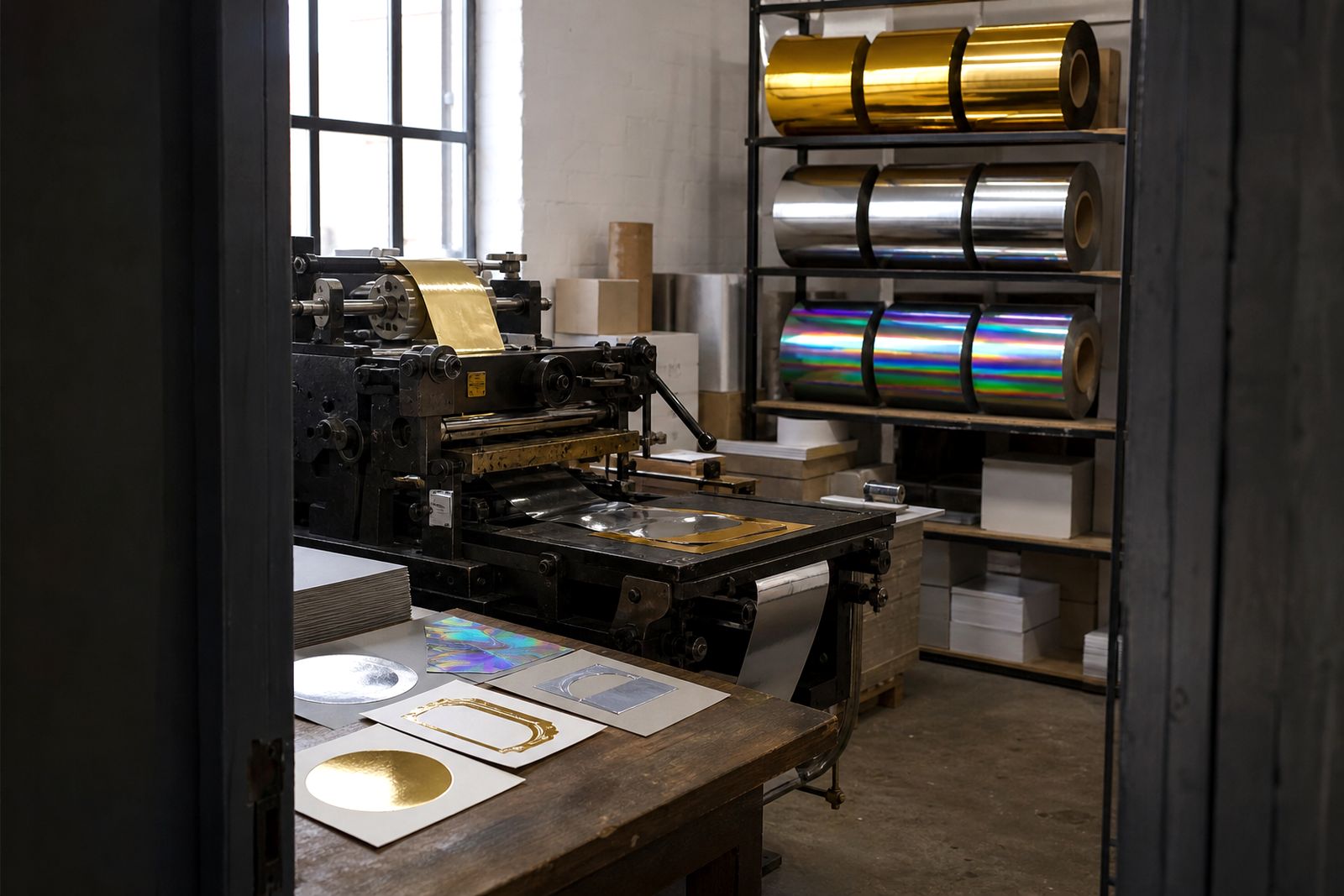
Ask about a foil for your job
Send a note through our contact form with the substrate, the press you run (platen, cylinder or roll-to-roll), the finish you are after and the run length, and we will come back with a foil grade, a sample and a quote.
Open the contact form