

PlasticBond press notes
Use these notes to set up PlasticBond with less trial and error. Check substrate, die, pressure and release before you run full sheets or long lengths.
What PlasticBond is for
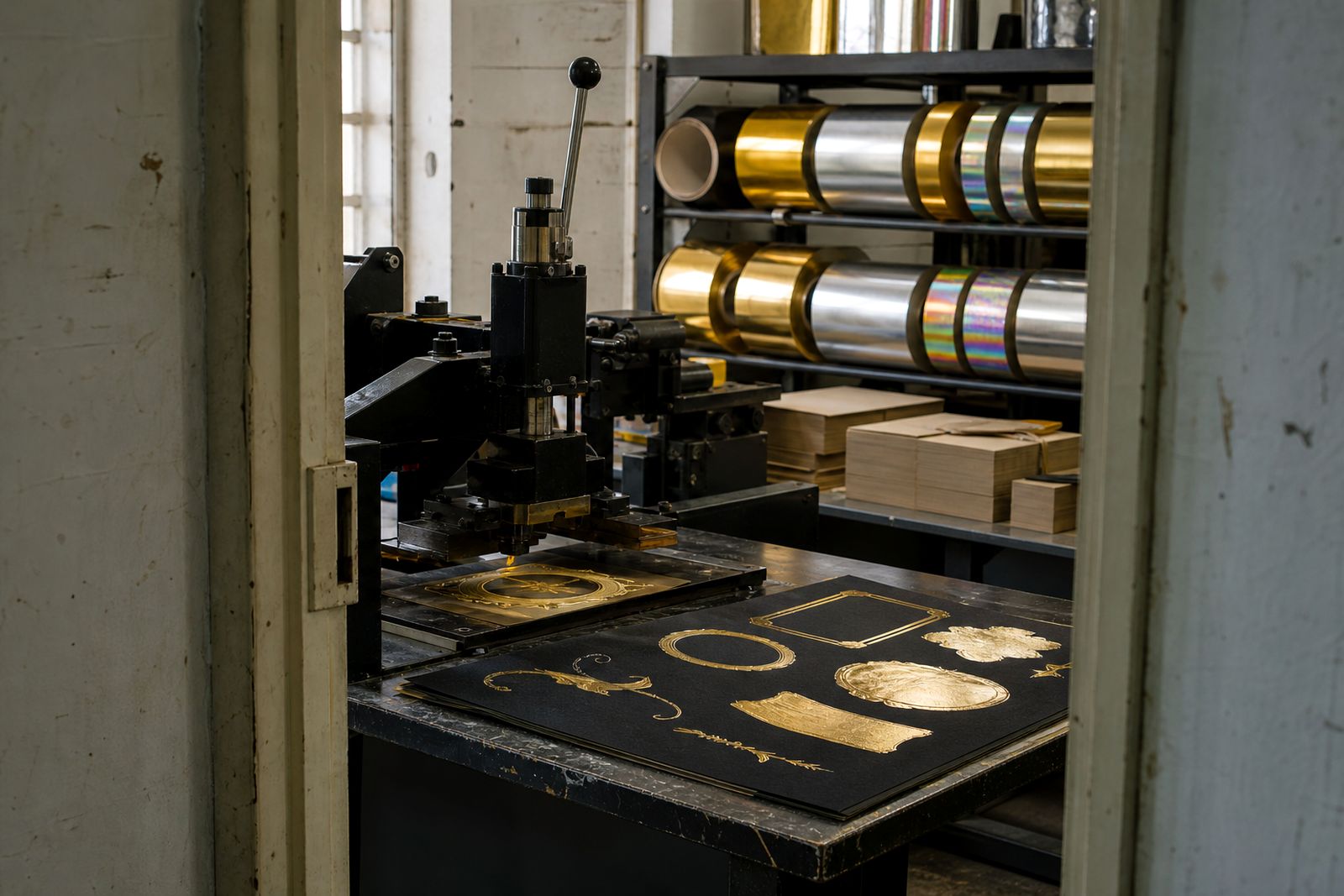
PlasticBond is a high tack foil family for plastics and other demanding surfaces where clean release and firm adhesion matter. It is used on work such as closures, tubes and appliance badges, and it is also suited to related plastic applications where the surface needs careful setup.
It can be run on platen, cylinder and roll to roll presses, with make-ready adjusted to the press type and the substrate finish. For substrate matching, see PlasticBond substrates.
Set up the press first
Start with the substrate, not the foil. Check that the surface is clean, dry and consistent, then confirm the press is giving even heat, stable dwell and balanced pressure across the image area.
For PlasticBond, a sensible starting point is to test within the foil maker’s normal temperature window for the press, then adjust dwell and pressure in small steps until the image transfers cleanly. Too much heat or dwell can cause poor release or unwanted spread, while too little can leave incomplete adhesion.
| Check | What to look for |
|---|---|
| Temperature window | Start in the normal test range for the press and substrate |
| Dwell | Long enough for transfer, not so long that the image softens |
| Pressure | Even contact without crushing detail |
| Release | Clean lift from non image areas with no residue |
Choose the right die
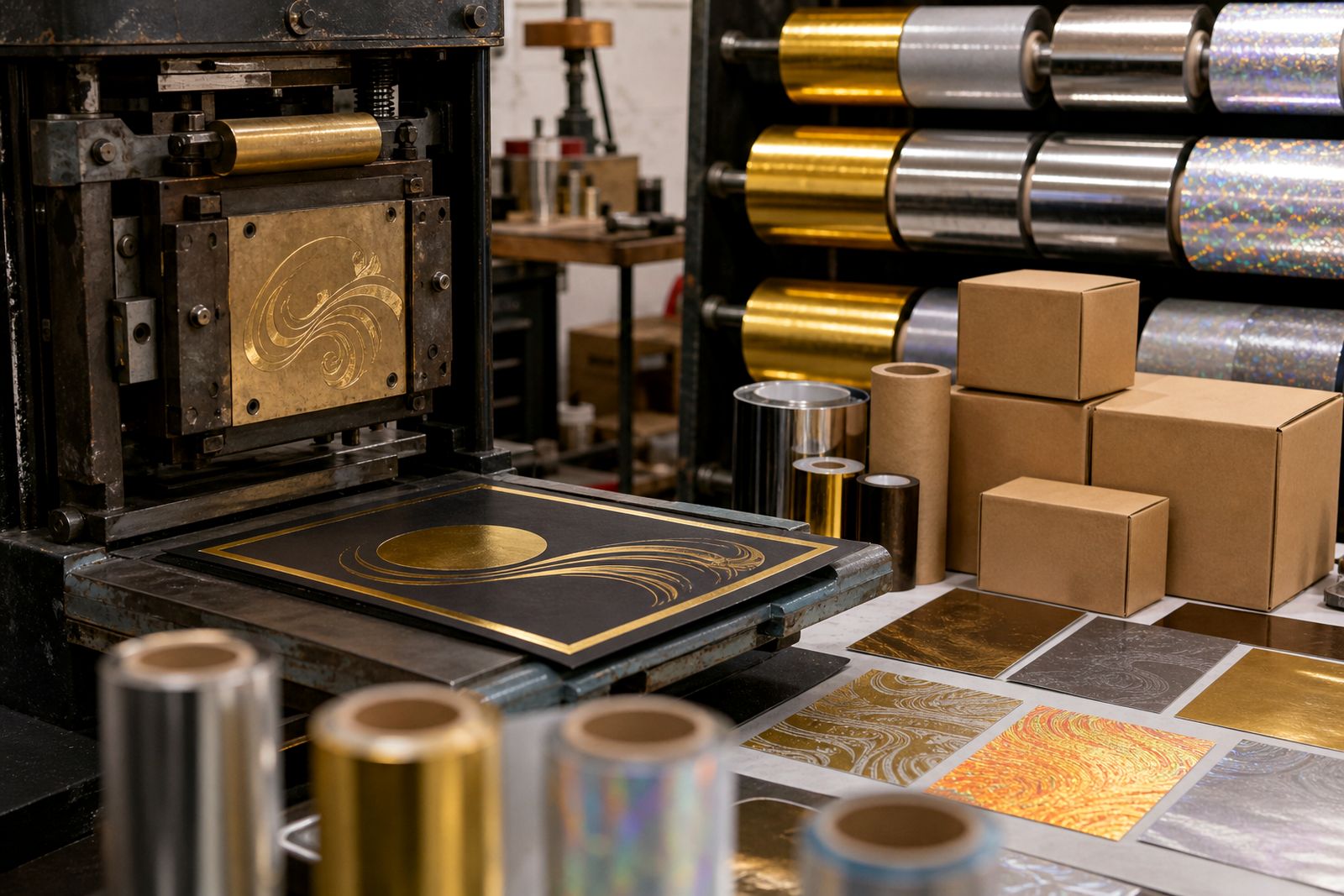
Die choice affects sharpness, release and wear. Magnesium dies are often used for shorter runs and simpler artwork, copper dies suit finer detail and steadier heating, and brass dies are chosen where longer wear or tougher conditions are needed.
Use the die that matches the artwork, the press and the substrate. Fine lines, solid blocks and tight reverses each behave differently, so test the die with the intended foil width before committing to production.
Fix common faults
If you see fill in, reduce pressure or dwell and check whether the image area is too hot. If the foil is flaking, look at substrate cleanliness, pressure balance and whether the temperature window is too low for full bonding. If adhesion is poor, test a slightly higher heat setting or longer dwell, but keep changes small.
Feathering can point to too much pressure, excess heat or an unsuitable release profile. Check the die edge, make sure the substrate is flat, and confirm that the press is not over packing the image area.
Supply and ordering
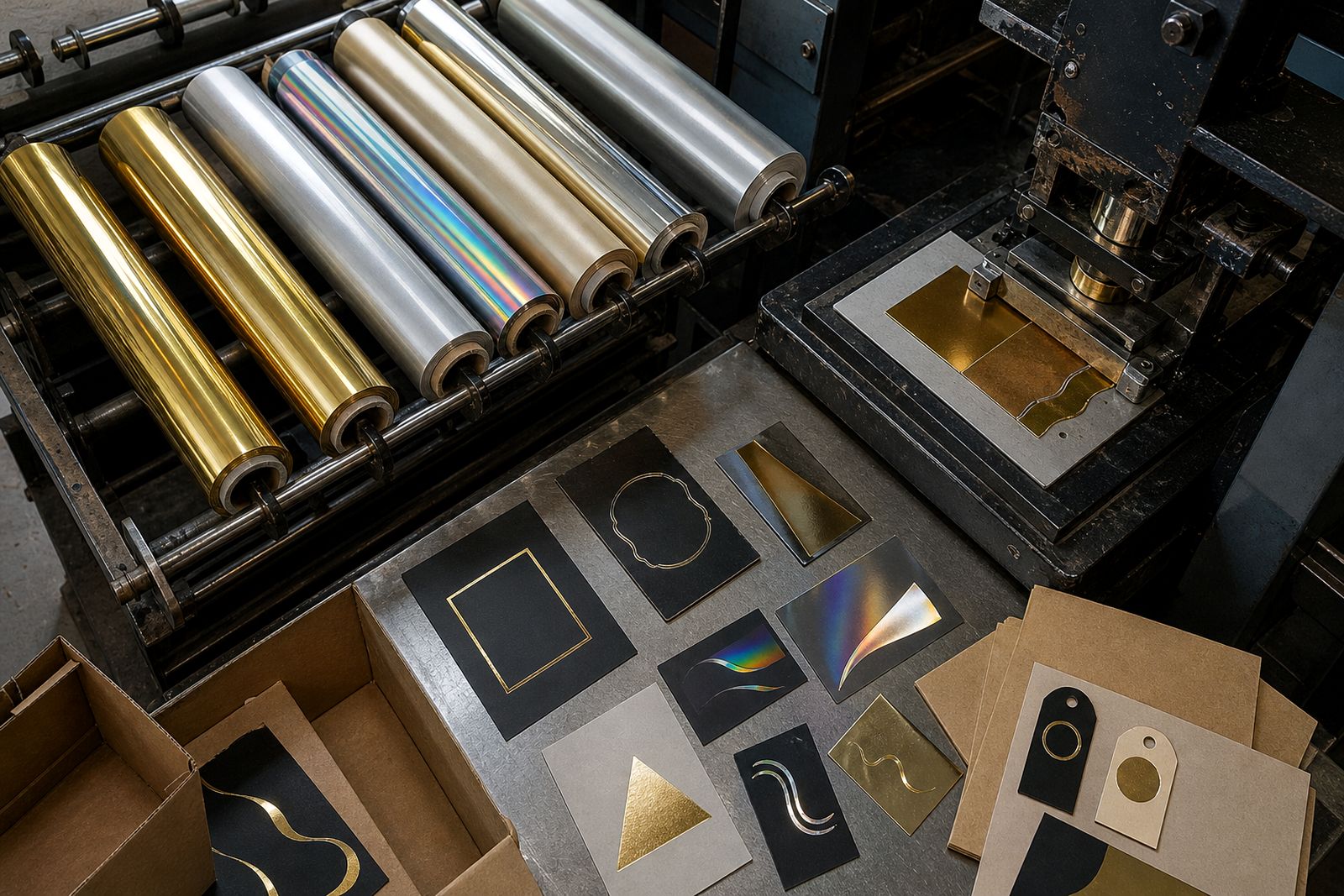
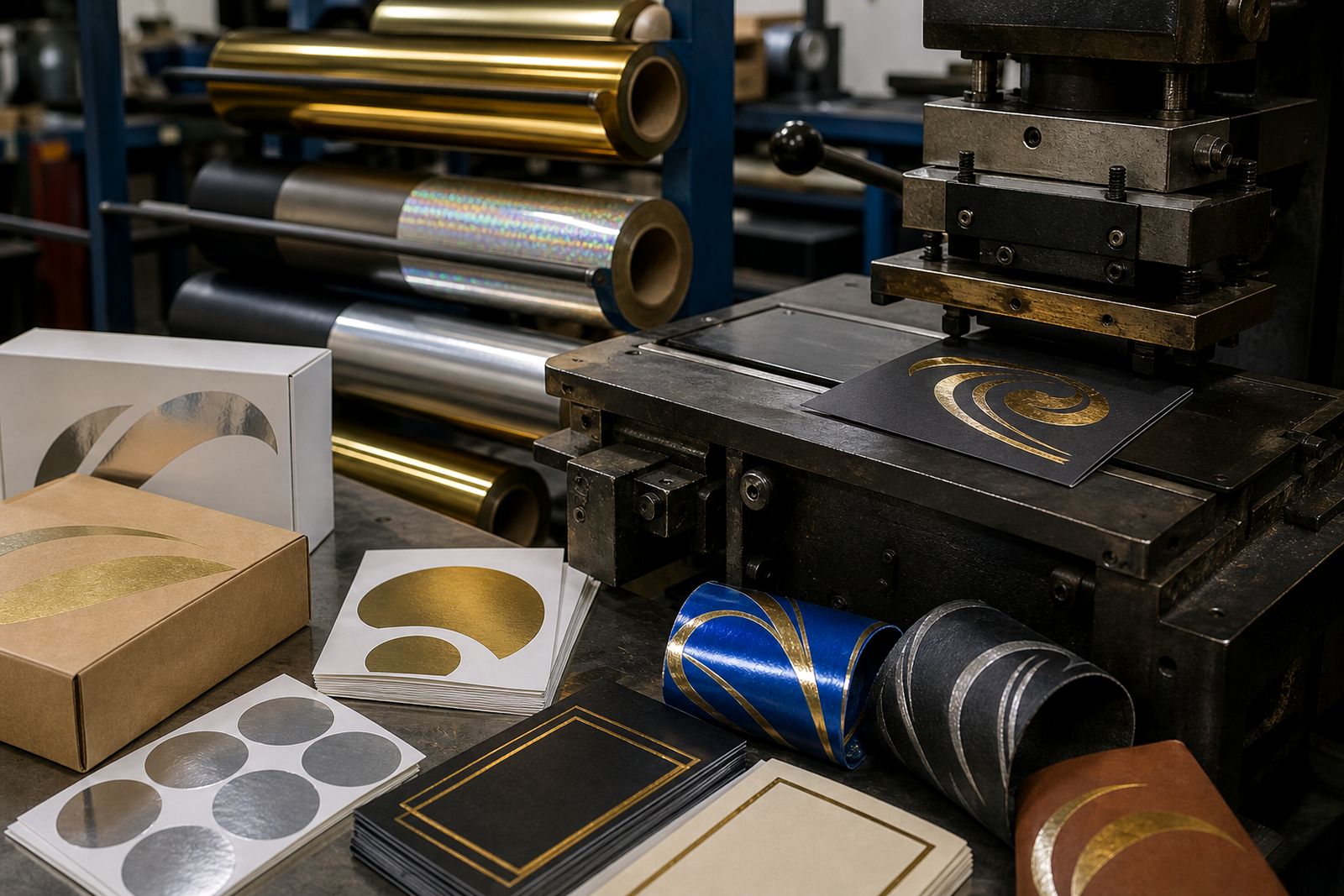
PlasticBond is supplied slit to roll width for the job in hand, with swatch books and samples available to help with matching. Rolls should be stored and handled carefully so they stay clean and ready for press use.
If you need help choosing a width, reviewing make-ready or matching PlasticBond to a specific substrate, use the contact form. You can also review PlasticBond specifications or place a job through order PlasticBond.
What our Hot Stamping Foil customers say
Verified Google reviews
Also worth a look
Ask about a foil for your job
Send a note through our contact form with the substrate, the press you run (platen, cylinder or roll-to-roll), the finish you are after and the run length, and we will come back with a foil grade, a sample and a quote.
Open the contact form