

PlasticBond substrates
PlasticBond is made for clean transfer on selected substrates, with careful setup on each press and surface. Use these notes to decide where to test first and what to check before a long run.
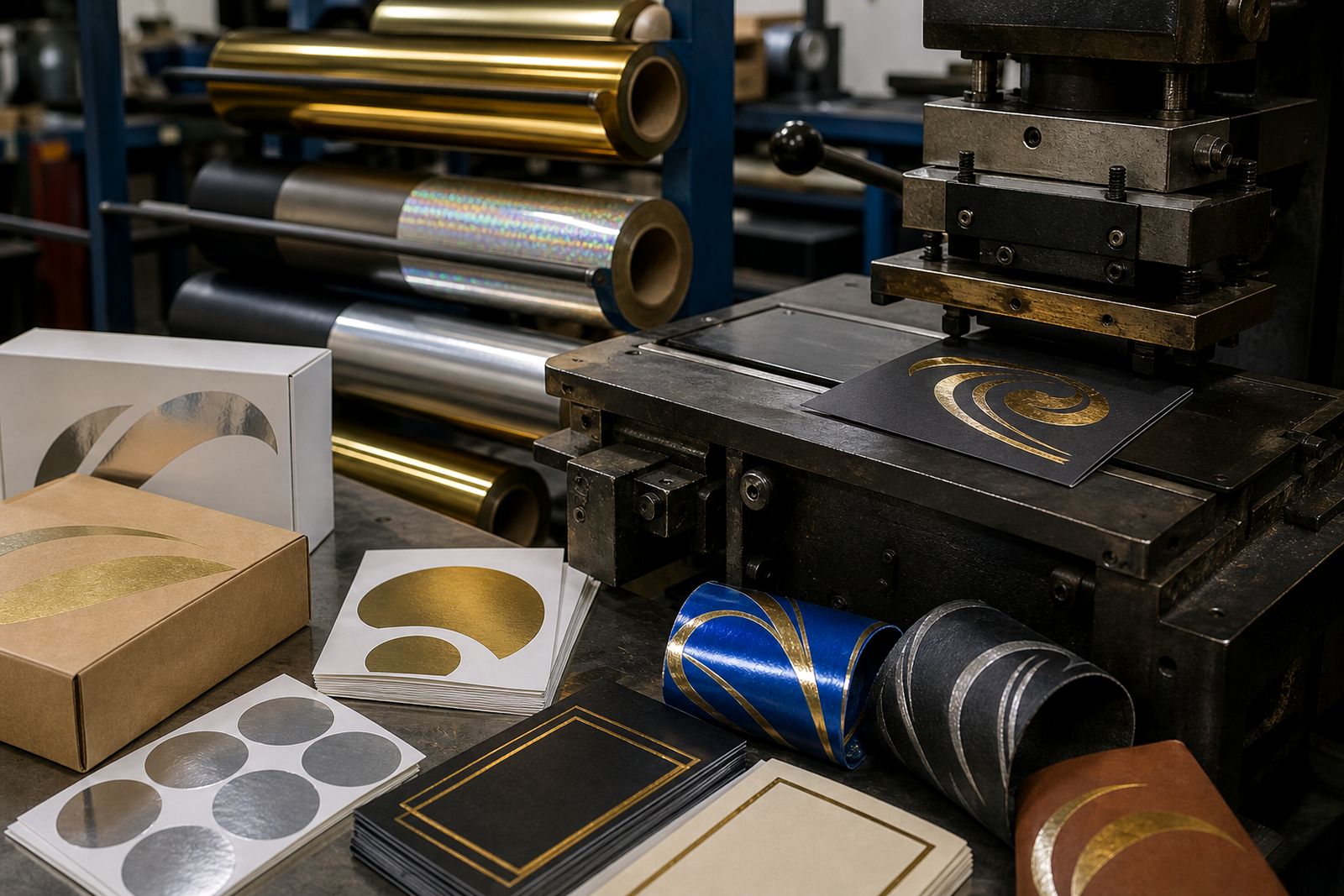
Where it tends to transfer clean
PlasticBond is a high tack foil family suited to surfaces that can take a firm, controlled transfer. It is commonly tested on coated board, labels, plastics and similar print work where clean release is the goal. It is also used where corona treated plastics or smooth laminate surfaces need strong foil pickup.
Start with the surfaces most likely to give a clean image, then work outward from there:
- Coated board and carton work
- Labels and sleeves
- Plastics with suitable surface prep
- Soft-touch and gloss laminate when the make-ready is right
- Closures, appliance badges and similar fitted parts
If you are building a new job, begin with a small test area and confirm transfer before committing to full production. For broader foil options on other work, see PlasticBond Specifications.
Where to test first
Not every substrate behaves the same. On board, check whether the surface coating, texture or varnish changes transfer. On plastics, confirm that the film or moulded part is suitable for hot stamping and that any surface treatment is still active. On laminate, pay attention to slip, gloss level and how the topcoat or film layer releases under heat.
Before a long run, test first on:
- Heavy coating or very smooth board
- Soft-touch laminate and matte films
- UV varnish or spot-coated areas
- Thin plastics and formed parts
- Leather or textiles where the surface is not uniform
When you need a better starting point for press setup, the PlasticBond press notes are the next step.
Press setup checks
Good results depend on the full make-ready, not only the foil itself. Use the press type you are running, whether platen, cylinder or roll-to-roll, and check the temperature window, dwell, pressure and release profile against the substrate.
As a starting point only, test within a normal hot stamping range and adjust from there. Too much heat can over-soften coatings or laminate, while too little heat can leave weak transfer or patchy release. Pressure should be even across the image area, and dwell should suit the size of the design and the die face.
| Check | What to watch |
|---|---|
| Temperature window | Start with a sensible test range for the substrate and foil family |
| Dwell | Keep enough contact time for full foil release without overcooking the surface |
| Pressure | Watch for even pickup, sharp edges and no crushed texture |
| Release | Confirm the foil leaves cleanly without stringing or haze |
Dies and make-ready
Die choice matters on this product family. Magnesium, copper and brass dies all behave differently, so match the die to the run, image detail and press. Fine lines and small type need careful pressure control and a clean, level face. Larger solid areas need even heat and stable make-ready to avoid dull patches or incomplete transfer.
Check the die face, tape build, packing and registration before you start. If the image sits near edges, curves or closures, test how the foil behaves across those changes in shape. On plastics and leather goods, surface variation can affect transfer more than expected, so a short press-side test is worth doing before full production.
Need help choosing a starting point for the run? Ask through the contact form and include the substrate, press type and image size.
Supply and next steps
PlasticBond foil is supplied slit to roll width for production use, with swatch books and samples available for checking tone, finish and transfer before ordering into a job. That makes it easier to compare the look on board, plastics, laminate or leather against the actual press setup.
If you are planning stock or repeat work, use the ordering notes to confirm the roll width and the format you need. For related product details, compare the specifications and press notes, then move to Order PlasticBond when the substrate test is set.
For questions on suitability, ask for a quote through the contact form and note the substrate, press and finish you want to achieve.
What our Hot Stamping Foil customers say
Verified Google reviews
Also worth a look
Ask about a foil for your job
Send a note through our contact form with the substrate, the press you run (platen, cylinder or roll-to-roll), the finish you are after and the run length, and we will come back with a foil grade, a sample and a quote.
Open the contact form