

Museum event tickets
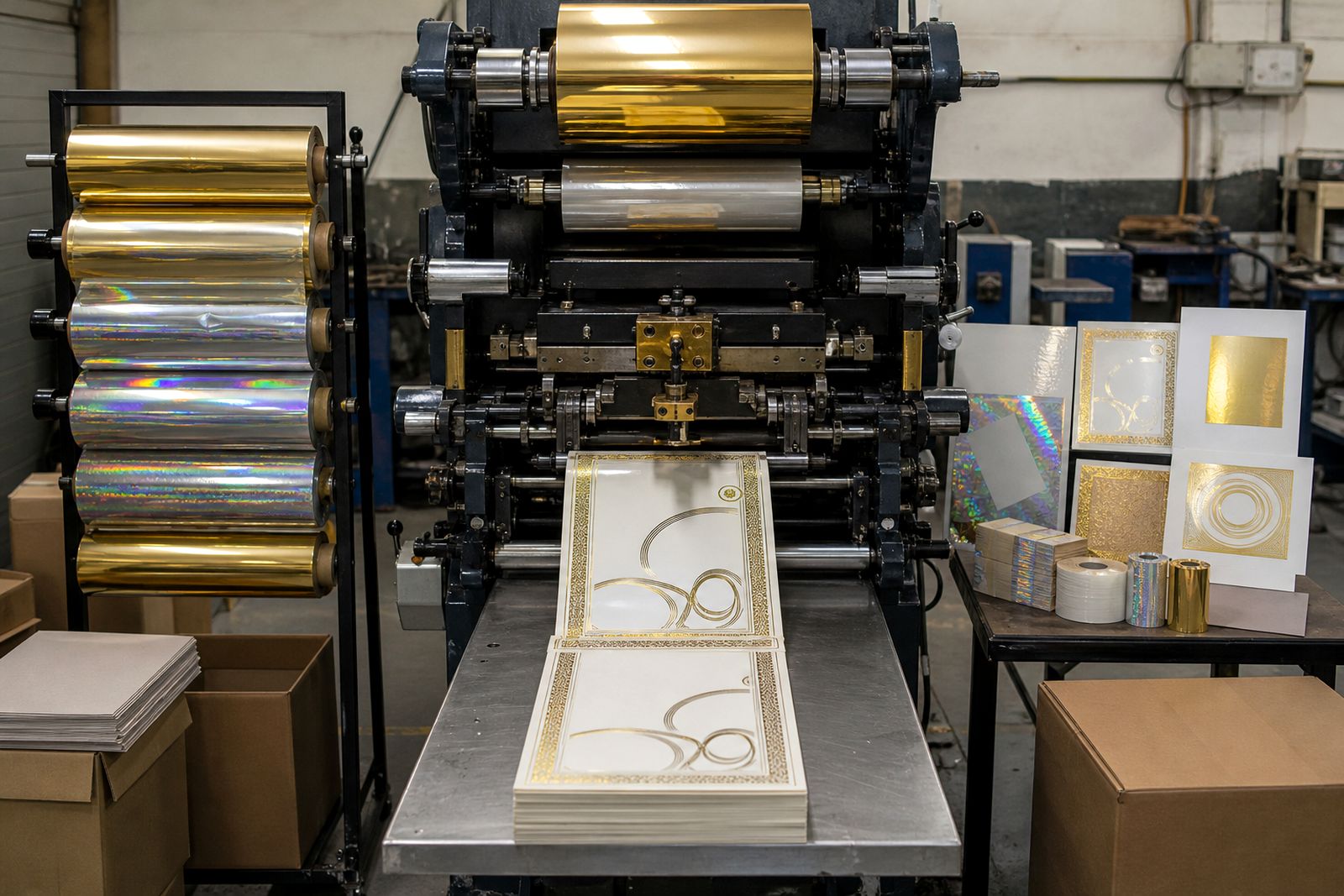
Sequential numbering and holographic foil give museum tickets a controlled, secure finish. The job depends on clean die choice, careful make-ready and stable press settings.
Job brief
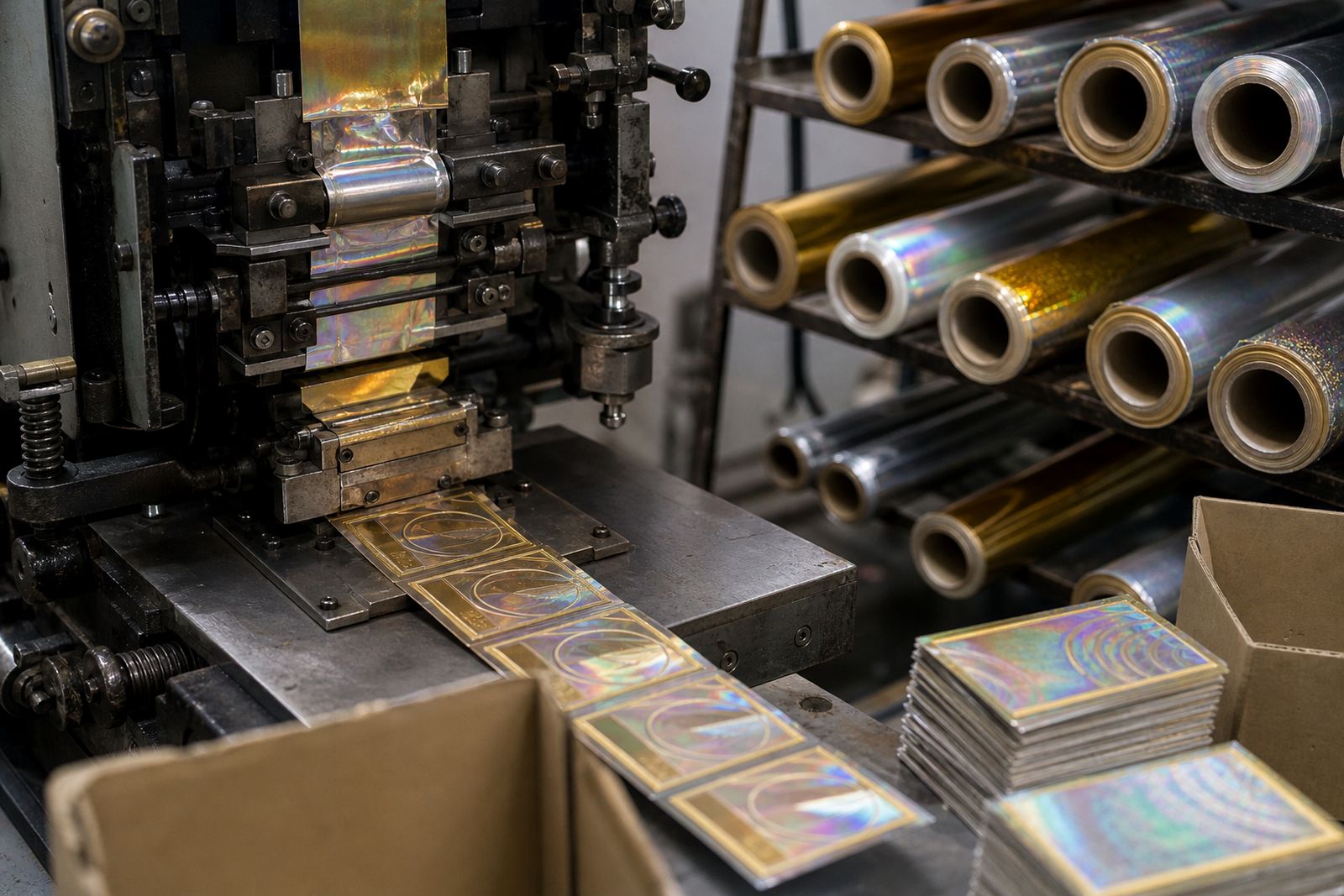
This example ticket project uses Prism Holo with sequential numbering to create a ticket that is easy to check at the door and hard to copy. The aim is a clear numbered format with a decorative foil finish that still holds up to handling, tearing and stacking.
The ticket layout needs enough space for the number panel, event details and any fold or perforation line. On a job like this, foil areas are planned so the number remains readable and the holographic pattern does not fight with the typography. We often suggest checking the artwork early, then confirming foil placement against the final ticket size before plates or dies are made.
For projects that also need other printed components, it can help to compare the ticket with related work such as certificate-style security pieces or event stationery.
Foil choice
Prism Holo is chosen here for its visible movement and built-in security feel. It sits well beside plain text, numbering and simple borders, and it can be used where a ticket needs both presentation and control. The foil is supplied slit to roll width so it can suit the press width and the job format.
For ticket work, the main question is how the holographic pattern interacts with the substrate. Coated board, coated paper and label stocks each behave differently, so the foil window must be tested on the actual stock. If the ticket has a soft-touch laminate or a coated top layer, the release profile and surface energy need proper testing before the run is signed off.
- Use holographic foil where the finish must be obvious and difficult to imitate
- Keep numbering clear by leaving clean reverse spaces in the artwork
- Test the same foil on the final stock, not just on sample paper
Numbering and diework
Sequential numbering needs careful alignment with the foil area so each ticket remains legible and consistent. The die must suit the number position, the foil panel and any security pattern that surrounds it. For this sort of work, magnesium, copper or brass dies may all be suitable depending on detail, run length and press setup.
Make-ready matters. A ticket die that runs well on one press may need a different set-up on another, especially where the job moves between platen, cylinder or roll-to-roll equipment. Pressure, dwell and temperature all need to be checked as a working set rather than fixed once and forgotten. Typical starting points are tested in small steps until the foil releases cleanly and the detail lands sharply.
| Press point | What to check |
|---|---|
| Temperature | Start with a practical test window and adjust to the stock |
| Dwell | Long enough for clean transfer, short enough to avoid distortion |
| Pressure | Even across the ticket so the number and foil print evenly |
| Release | Clean break without haze, picking or patchy transfer |
Press setup
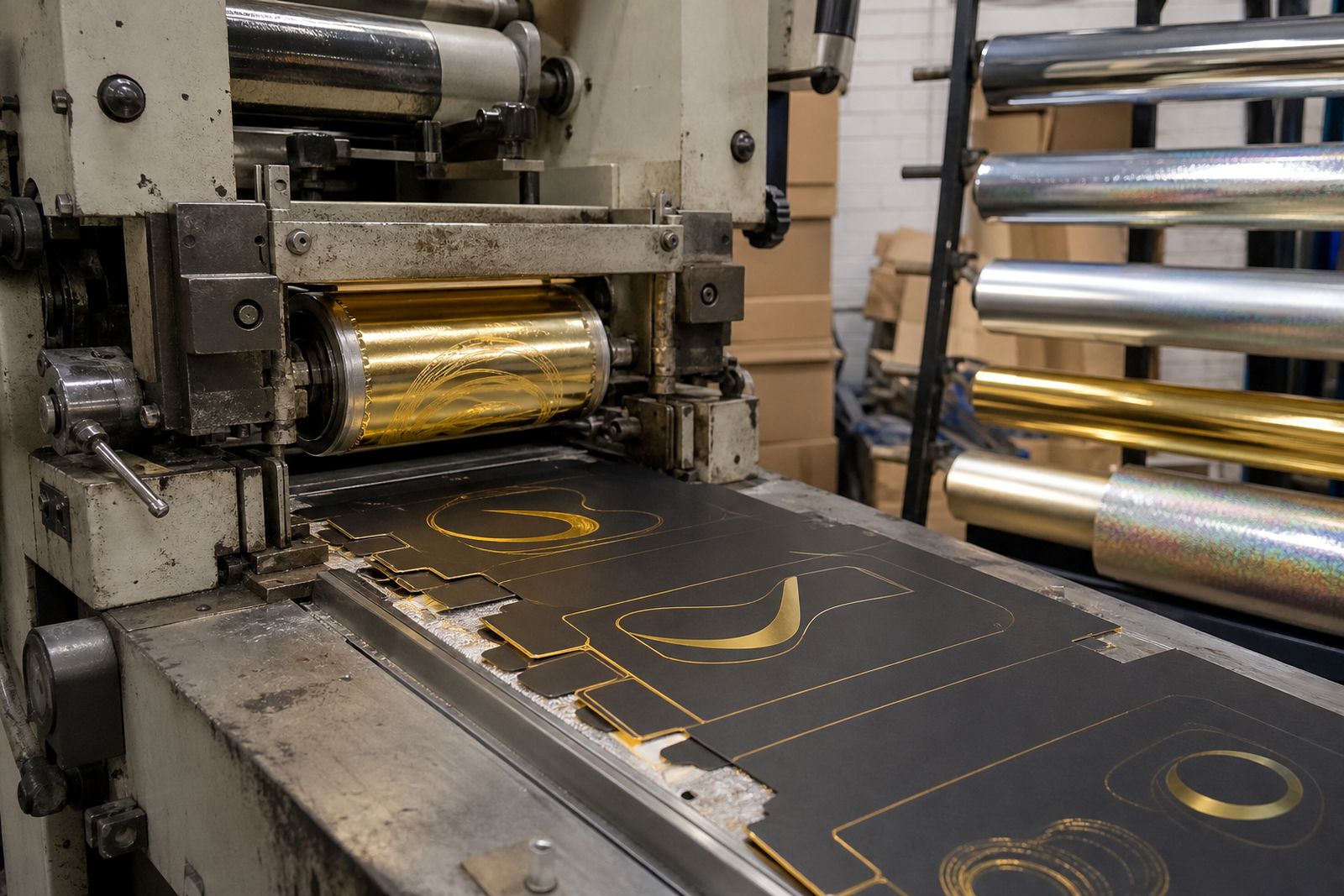
The press side of a numbered ticket job is where small changes matter. If the foil is too hot or the dwell is too long, fine lines may soften. If the pressure is uneven, the number area can look inconsistent across the sheet or reel. That is why press-side advice is part of the supply, especially when the job uses narrow foiled panels or tight registration.
On short runs, a platen press may suit the format well. On longer or continuous work, cylinder or roll-to-roll equipment can be more appropriate. The same foil family can behave differently on each press type, so the set-up should reflect the machine, the stock and the artwork. If the ticket includes perforation, tear-off stubs or a laminated layer, the make-ready should account for those features before the run begins.
For other foil work with similar setup needs, see tamper seals and gift sleeves.
Checking the result
A museum ticket project is judged on both appearance and handling. The foil should sit cleanly on the surface, the numbering should remain clear, and the ticket should stack, trim and tear as intended. If the substrate changes, the foil may need a different temperature window or release profile even when the artwork stays the same.
Swatch books and samples are useful at the start, but the final check is always a press test on the exact stock. That is the point where the foil finish, the die and the numbering system come together. If the job includes plastics, textiles, leather or soft-touch laminate elsewhere in the range, those materials need their own trial settings rather than borrowed settings from paper stock.
For a similar process with a different end use, compare with presentation folders or return to project notes. If you are planning a ticket or security-style foil job, ask for a quote through the contact form.
What our Hot Stamping Foil customers say
Verified Google reviews
Also worth a look
Ask about a foil for your job
Send a note through our contact form with the substrate, the press you run (platen, cylinder or roll-to-roll), the finish you are after and the run length, and we will come back with a foil grade, a sample and a quote.
Open the contact form