

Press settings sheet
Use these starting points to set up foil trials on metal dies, coated board and other common substrates. Always confirm the final window on press.
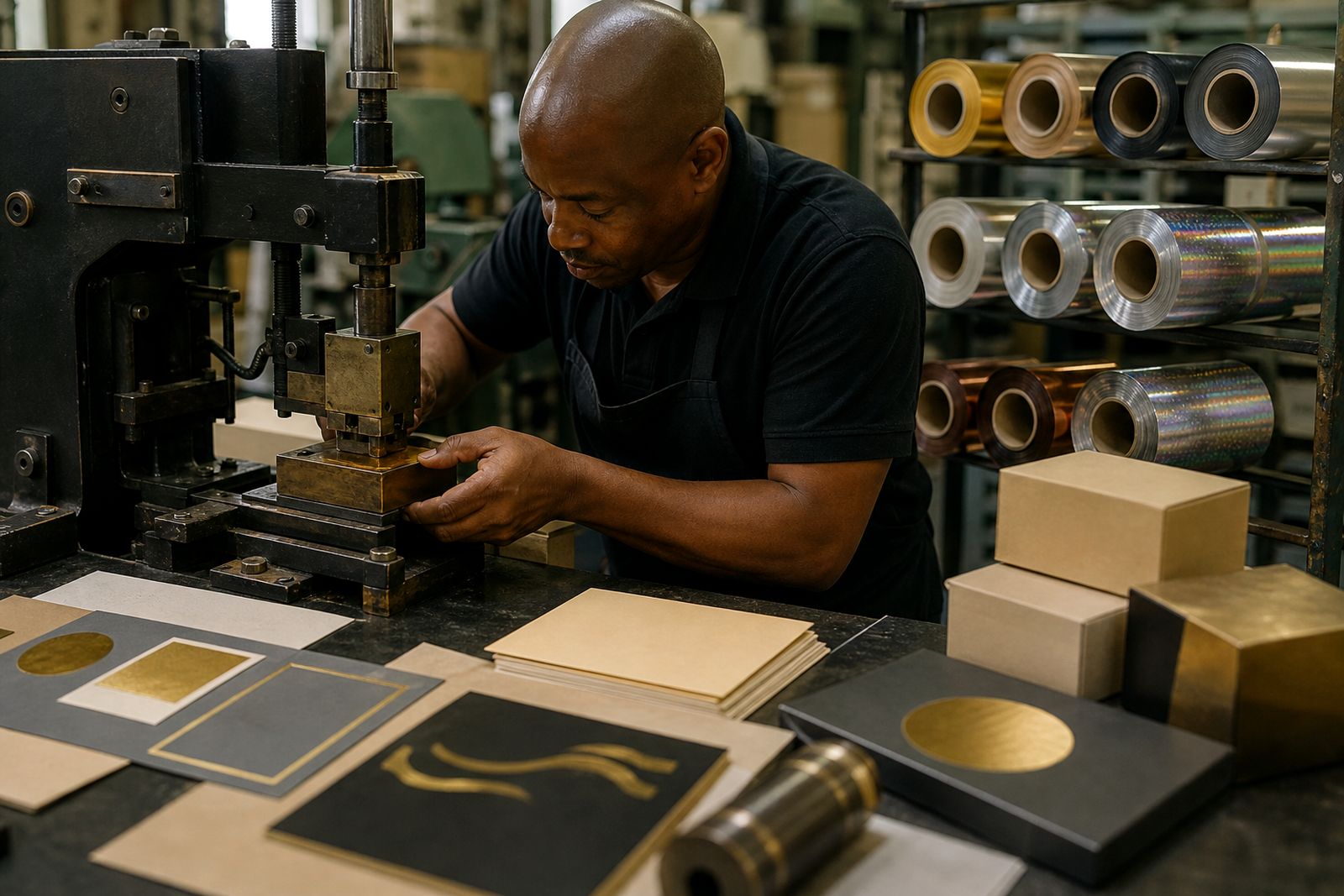
Start with the right foil
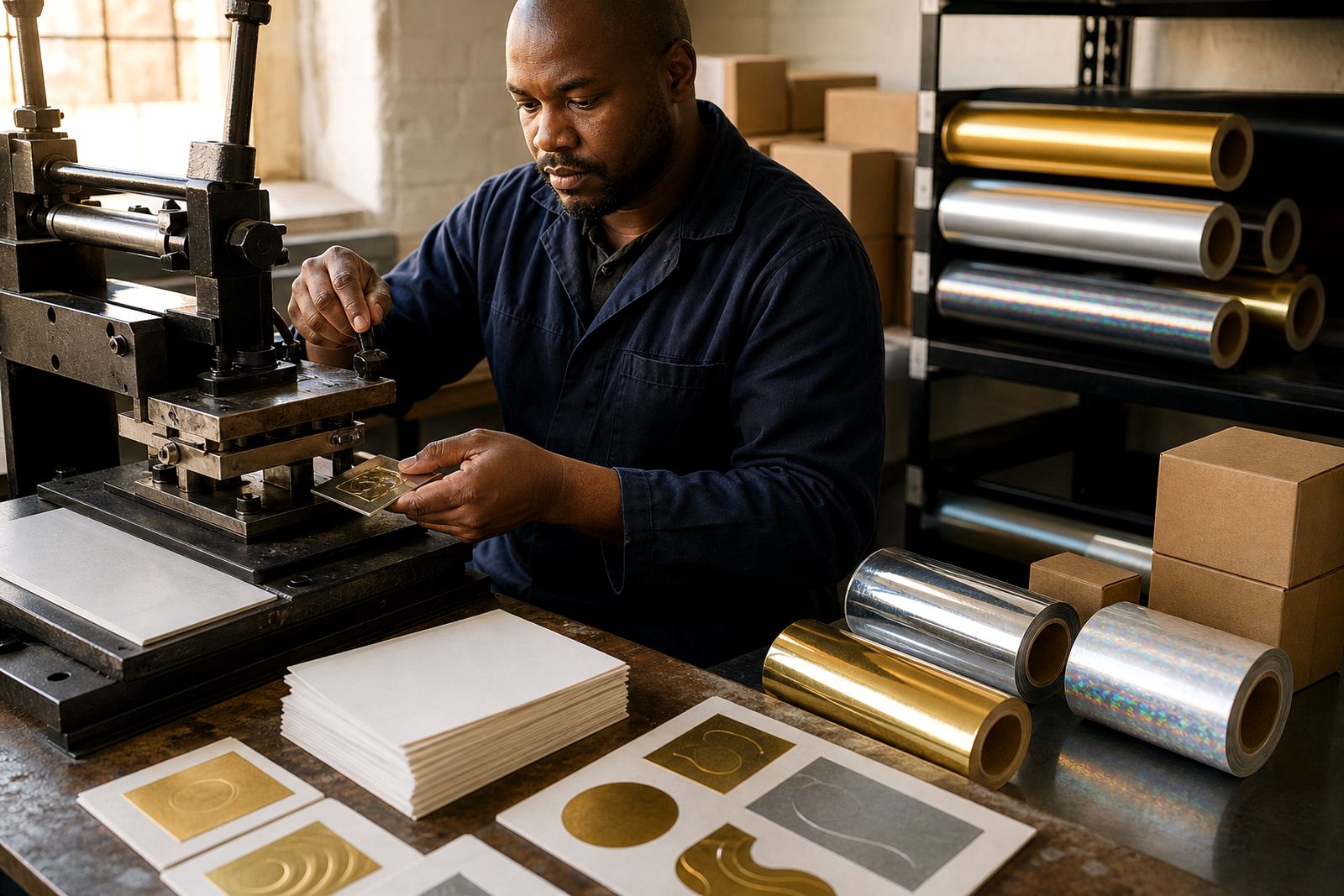
Choose the foil family first, then set the press around the substrate and die. Metallic foils such as gold, silver, copper, bronze, mirror and satin behave differently from pigment, holographic, diffraction, security and specialty foils for leather, plastics, textiles and soft-touch laminate.
If you need a starting recommendation, compare your stock against the foil selection guide and the substrate compatibility chart. For slit rolls supplied to width, check that the roll matches the web, platen or cylinder format before you start make-ready.
For labels, cartons, book covers and leather goods, begin with the least aggressive setting that gives clean transfer. That reduces waste during the first test sheets and makes it easier to read the release pattern on press.
Set a starting temperature
Use the foil maker's recommended window where available, then test in small steps. As a general starting point, many jobs begin around 95 C to 130 C, but the right setting depends on the foil type, substrate coating, press speed and die material.
On coated board and soft-touch laminate, too little heat can leave weak transfer or patchy release. Too much heat can soften the image edge, increase ghosting or make the foil release too early. Keep the first test close to the middle of the expected window, then adjust in small increments.
| Job factor | What to check |
|---|---|
| Coated board | Adhesion, edge sharpness and full release |
| Soft-touch laminate | Surface reaction and clean lift |
| Leather | Grain retention and consistent image fill |
| Plastics or textiles | Bond, dwell and surface tolerance |
Balance dwell and pressure
Dwell and pressure work together. If the image is incomplete, first confirm that the die is fully up to temperature, then increase dwell before you add too much pressure. Excess pressure can bruise the sheet, distort fine type or force foil into unwanted texture.
For platen presses, use a firm but even closing action. For cylinder and roll-to-roll presses, watch line speed, nip consistency and the repeat length. Fine detail often needs a longer dwell with controlled pressure rather than a hard hit.
- Check that the foil sits flat and feeds without slack.
- Confirm the image is centered on the sheet or web.
- Test one short run before increasing speed.
- Inspect the first pulls for clean edges and full fill.
If the result changes across the sheet, review pressure balance, die height and packing before changing the foil.
Match the die and make ready
Die material affects heat transfer and release. Magnesium, copper and brass dies each behave differently, so make-ready should suit the job and the press. A clean, flat die face with correct packing often matters more than a bigger temperature change.
Use die notes to record what worked on the previous run, especially for repeat work or mixed substrates. If you need more detail on tooling and setup notes, see die making notes and the finishing glossary.
On detailed artwork, check counter pressure, die sharpness and foil release profile. If the image loses fine lines, the problem is often setup rather than foil grade.
Record the final window
Once the foil transfers cleanly, write down the final settings for the next run: temperature, dwell, pressure, press type, substrate, die material and any feed notes. That makes repeat work faster and reduces setup time on later jobs.
Keep samples with the approved sheet, and compare them with the sample book index or the qa checklist before the job leaves press. If you are troubleshooting a recurring fault, the troubleshooting index is a useful next step.
For technical help on a live run, ask for press-side advice through the contact form. If you need a foil recommendation first, start with a swatch book and a small test roll.
What our Hot Stamping Foil customers say
Verified Google reviews
Also worth a look
Ask about a foil for your job
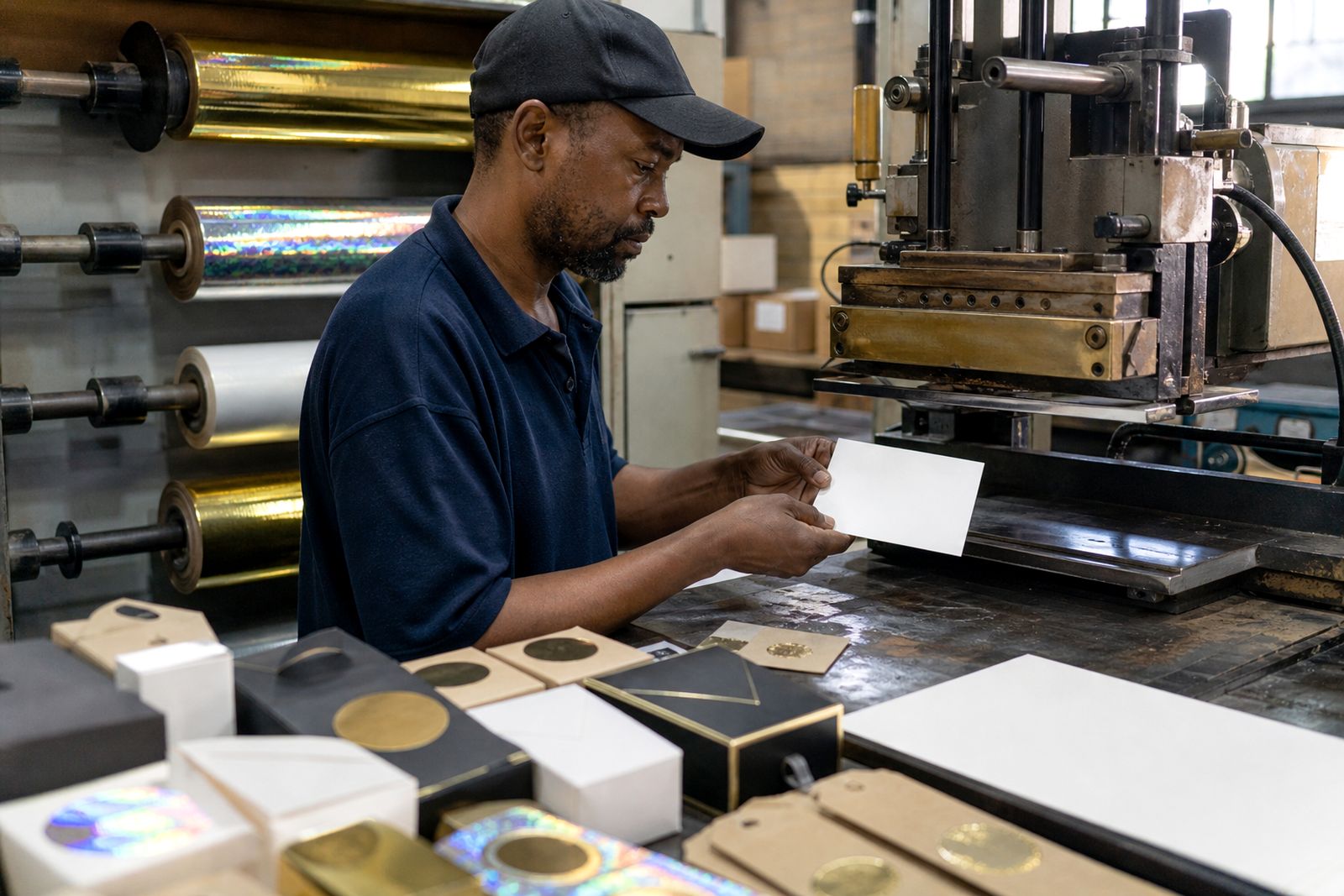
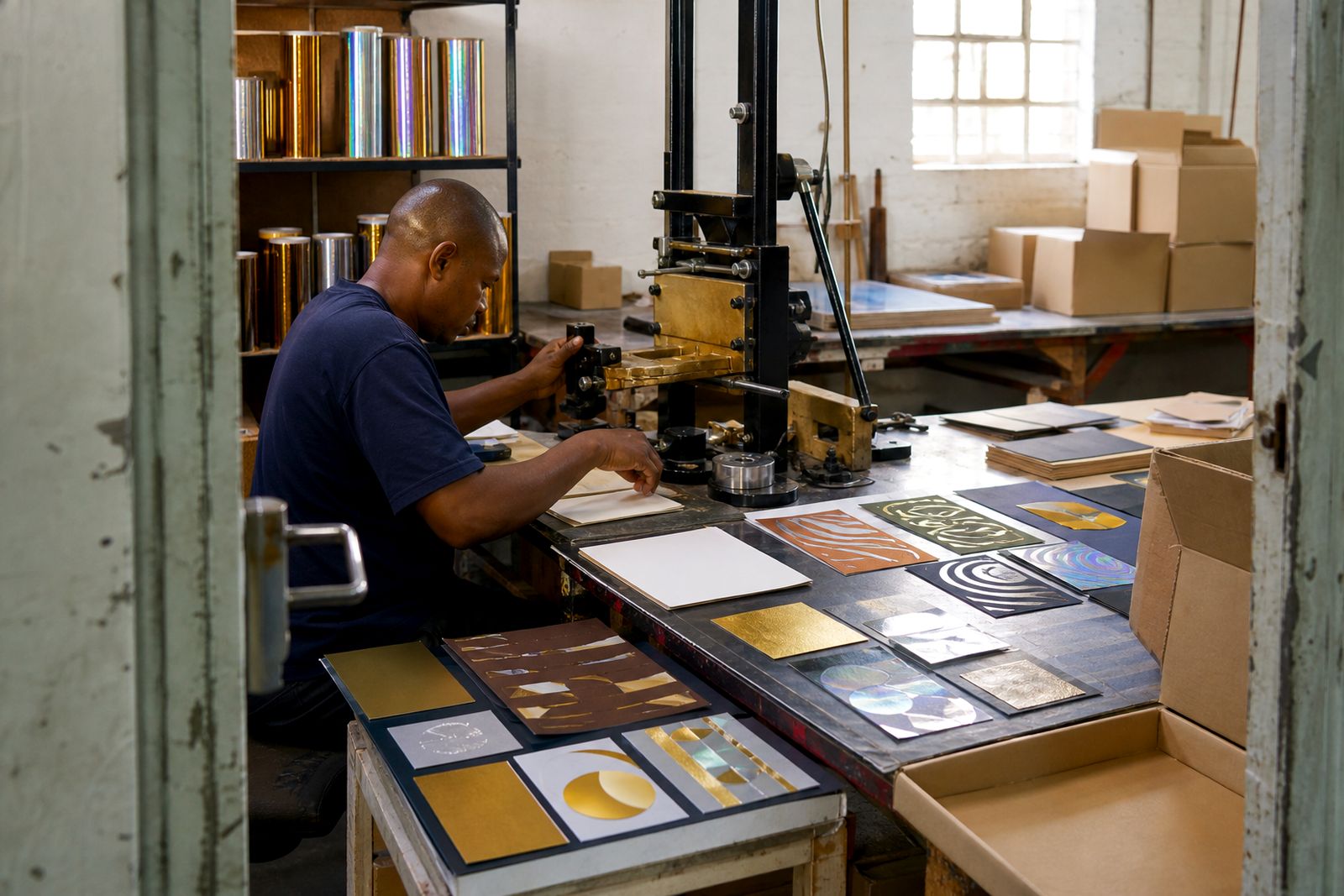
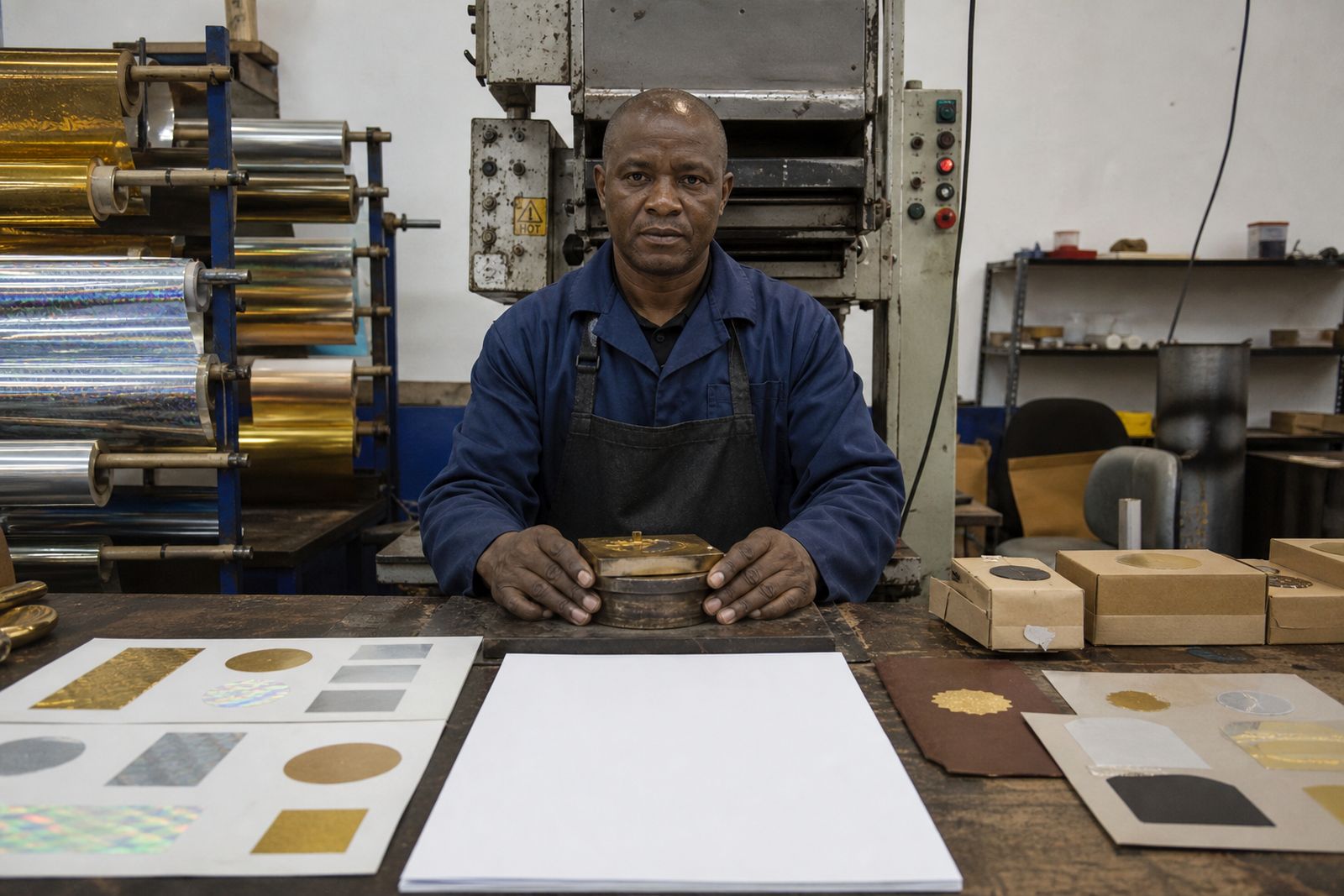
Send a note through our contact form with the substrate, the press you run (platen, cylinder or roll-to-roll), the finish you are after and the run length, and we will come back with a foil grade, a sample and a quote.
Open the contact form