

Substrate compatibility chart
Use this guide to check foil suitability by substrate before make-ready. It helps you match foil, die and press settings for cleaner transfers and fewer surprises.
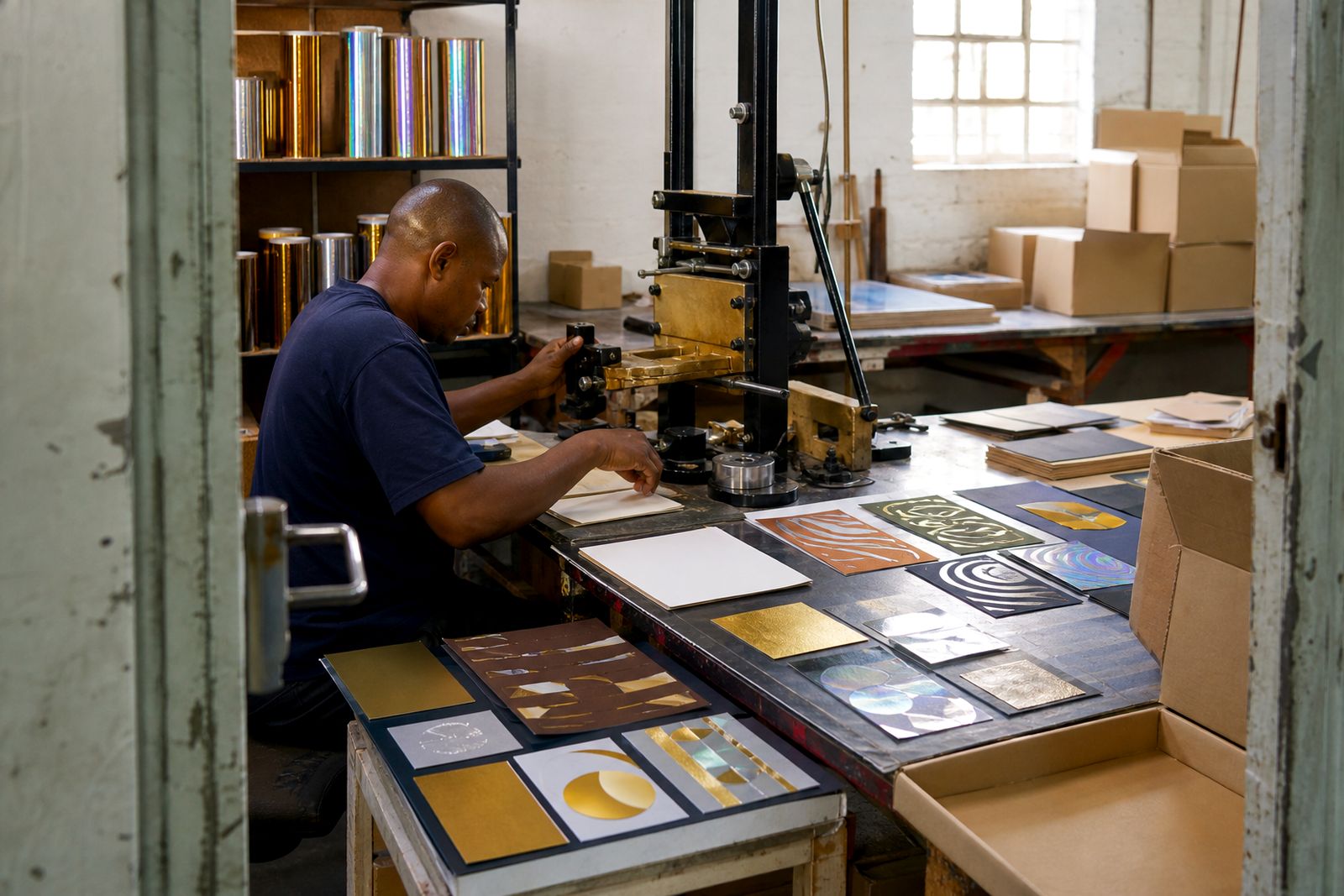
Start with the substrate
Foil transfer depends first on what you are stamping. Paper, board, coated board, plastics, leather, textiles and soft-touch laminate each behave differently under heat and pressure.
On absorbent stocks, foil can release quickly and cleanly. On coated or sealed surfaces, the release window may be narrower and the press setup needs more care. On plastics, leather and textiles, surface texture and heat sensitivity matter just as much as the foil choice.
As a starting point, check three things before running a job: the surface finish, the heat tolerance of the substrate, and whether the image area is fine detail or solid coverage. If you need a wider comparison of foil types, see the foil selection guide.
Match foil to common materials
For paper and board, metallic foils are often used for a bright decorative finish, while pigment foils suit solid colour work and clear text. On coated board and soft-touch laminate, trial tests are important because the coating can affect release and adhesion.
For plastics, leather and textiles, speciality foils are usually the starting point. These materials may need a narrower temperature window and careful pressure control. Metallic gold, silver, copper and bronze foils are commonly checked first, but mirror, satin, holographic, diffraction and security foils may also be suitable depending on the job.
| Substrate | Typical check | Practical note |
|---|---|---|
| Paper and board | Release and coverage | Good for general decorative and label work |
| Coated board | Adhesion and fine detail | May need tighter press control |
| Plastics | Heat response | Test carefully before full production |
| Leather and textiles | Surface texture and durability | Use speciality foil designed for the material |
Check the press settings
Press settings have a direct effect on foil adhesion and release. Start with a sensible test range for your press and substrate, then adjust dwell, pressure and temperature in small steps. A foil that runs well on one press may need a different set-up on another.
For platen, cylinder and roll-to-roll presses, the same basic checks apply, but the machine style changes how heat and pressure are delivered. Die detail, substrate thickness and surface finish all influence the result. If you need a structured setup reference, use the press settings sheet and the die making notes.
- Confirm substrate type and finish
- Run a short test strip before full production
- Adjust temperature, dwell and pressure one step at a time
- Check edge sharpness, fill and release after each test
Choose the right die
Die choice affects heat transfer and the quality of the stamped image. Magnesium, copper and brass dies each have their place, depending on detail, run length and the press being used. Fine text, solid blocks and textured surfaces do not always need the same die treatment.
Good make-ready helps the foil sit where it should. A clean impression, correct packing and even pressure across the form improve consistency across the sheet or roll. If a design is not releasing evenly, check the die face, mounting and pressure balance before changing the foil.
For jobs with security features or complex line work, start with the most suitable die and foil combination rather than trying to force a general-purpose setup to do everything.
Test before production
The safest way to confirm compatibility is to test the exact stock, foil and press conditions before the run. Swatch books and samples are useful for narrowing choices, but the final check should always be on the actual substrate.
When a result is not right, look at the full chain: substrate, foil type, die, pressure, dwell and temperature. That is usually faster than guessing at one setting alone. For storage, handling and shipment of rolls, see Care & Storage and Shipping rolls.
If you need help selecting a foil for paper, board, plastics, leather or textiles, ask for press-side advice through the contact form. Stampingfoil can supply slit rolls, swatches and samples for practical testing on real jobs.
What our Hot Stamping Foil customers say
Verified Google reviews
Also worth a look
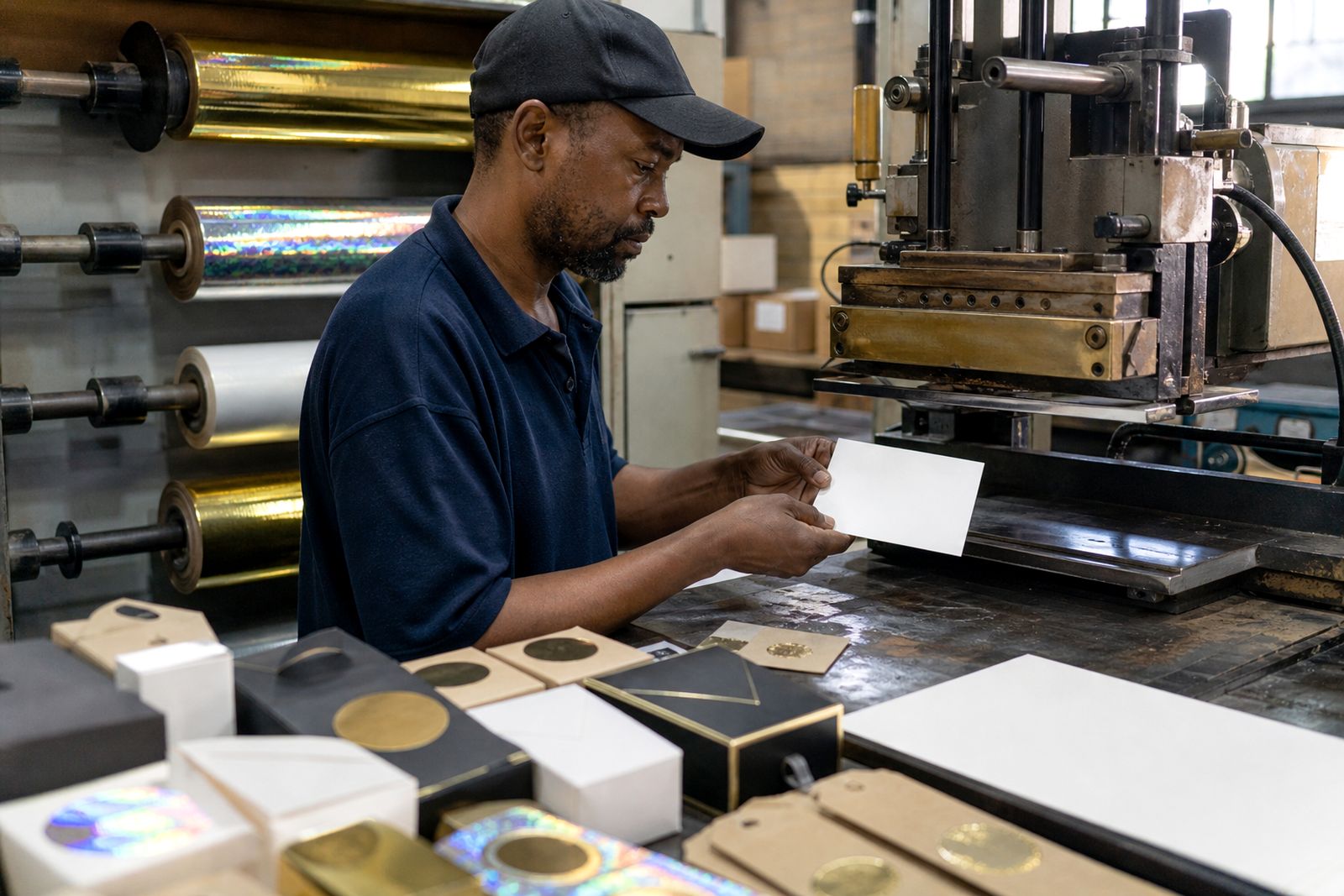
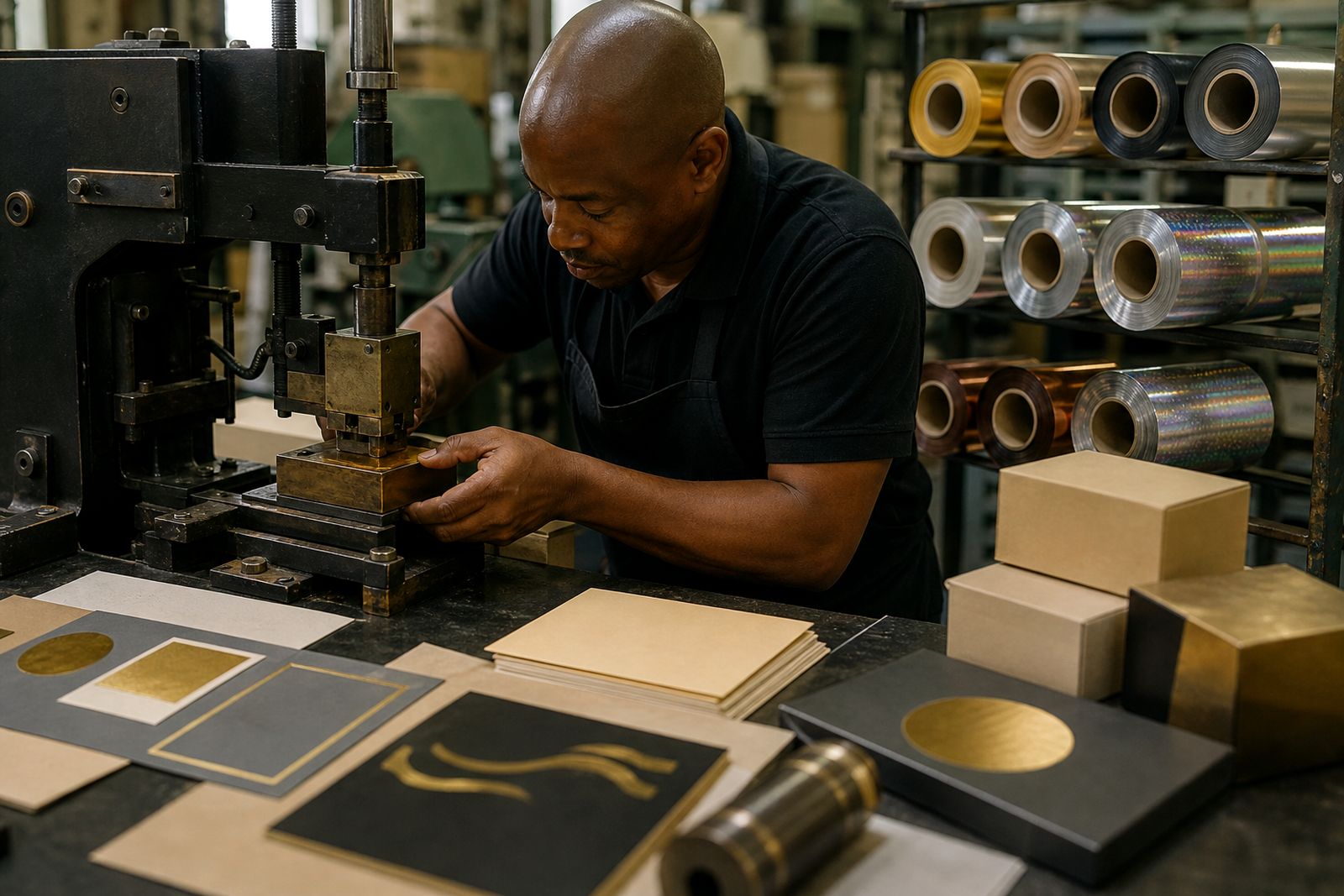
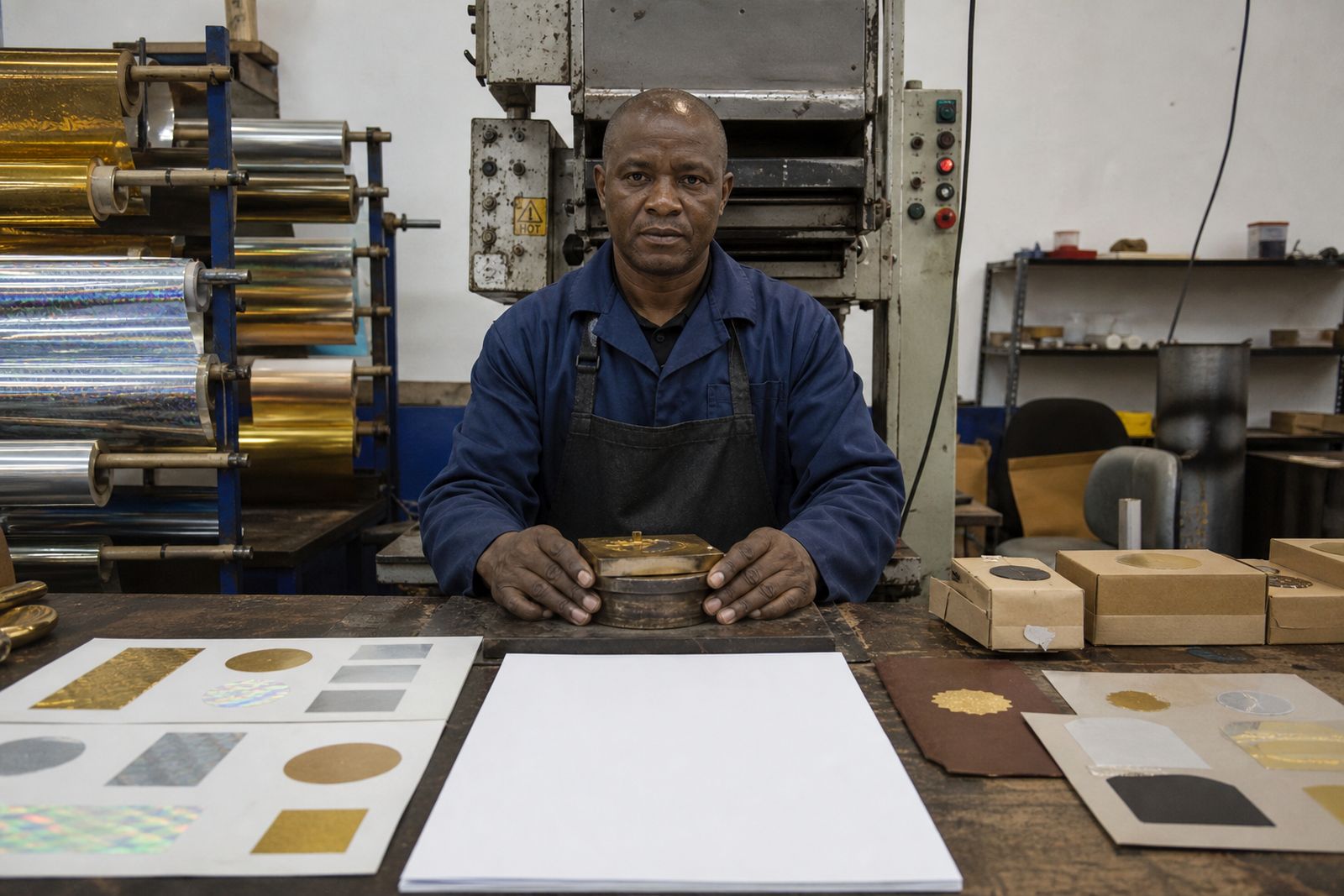
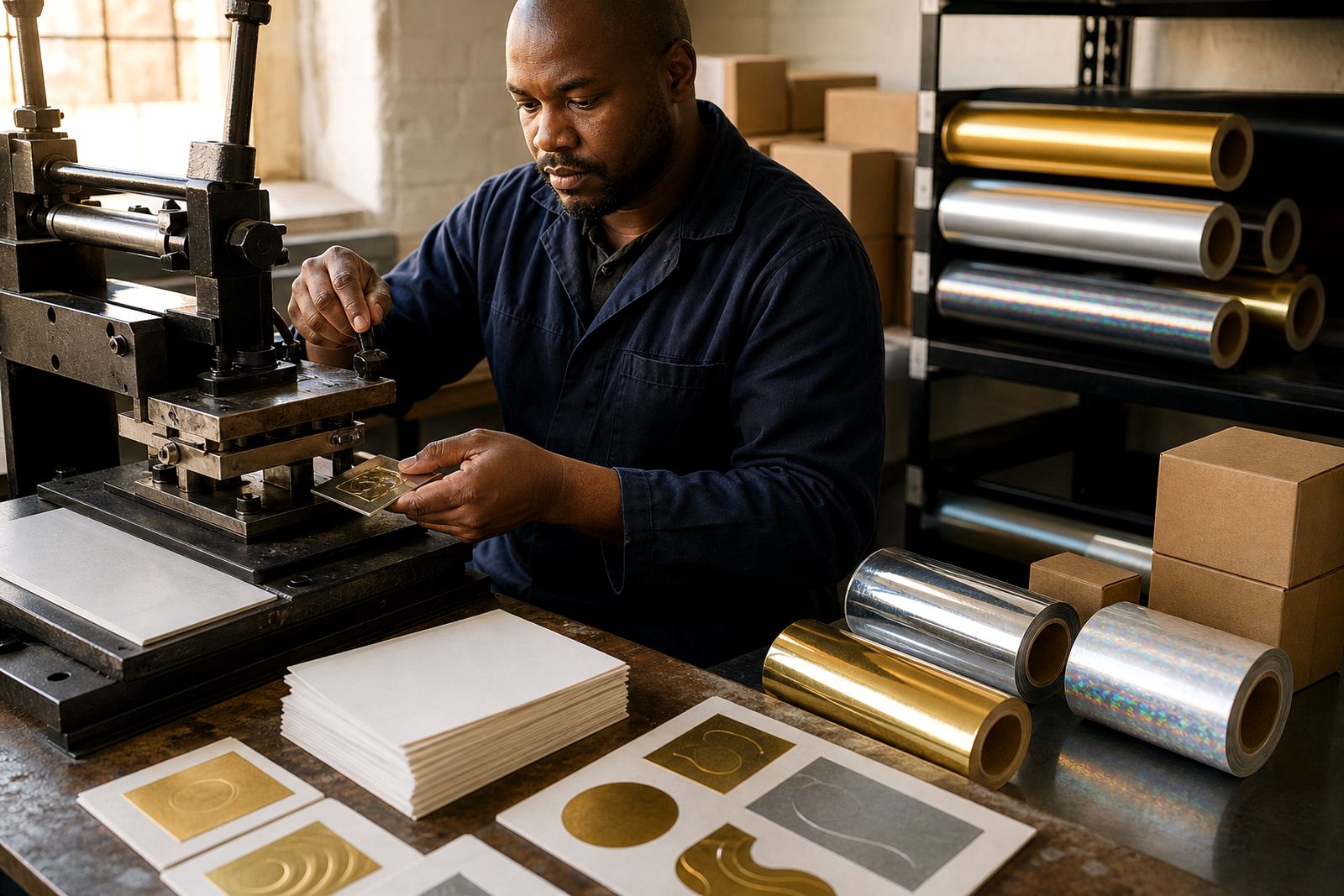
Ask about a foil for your job
Send a note through our contact form with the substrate, the press you run (platen, cylinder or roll-to-roll), the finish you are after and the run length, and we will come back with a foil grade, a sample and a quote.
Open the contact form