

Common adhesion failures
Not every poor foil image is a foil problem. Ink build-up, varnish, board treatment and press setup can all change release and adhesion.
Check the stack first
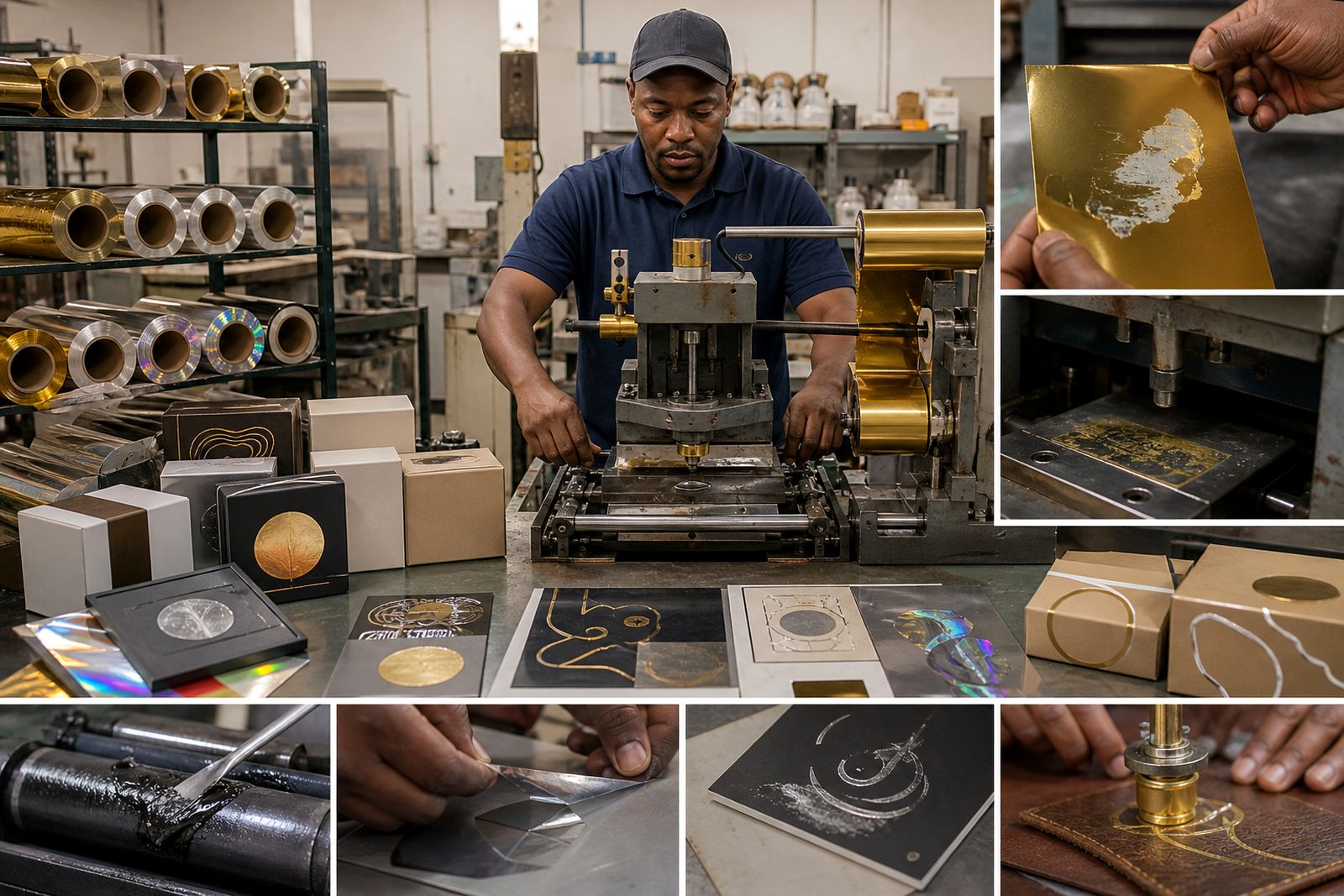
Start with the full print stack before blaming the foil. Adhesion can drop when a heavy ink layer, over-varnish, slip additives or an uneven coating blocks contact between the foil and the substrate.
On coated board, labels and cartons, look for dull transfer, patchy areas, pinholing and fine line breaks. If the same artwork behaves differently on another board or laminate, the surface is usually part of the cause. For related setup notes, see temperature windows explained and choosing release profiles.
Watch for surface treatment issues
Corona and surface energy changes matter on plastics, textiles and soft-touch laminate. If treatment is low, aged or uneven, the foil may look as if it is failing when the real issue is poor wetting and release from the surface.
Keep a simple check on hand: confirm the substrate, the coating or laminate, the ink sequence and whether the foil is being asked to bridge over a non-receptive area. When a job shifts from board to plastic or to a soft-touch finish, retest rather than carrying settings across unchanged. Useful background is in foil on soft-touch and narrow-web label tips.
Set the press with care
Good adhesion depends on matching heat, dwell and pressure to the job. As a starting point, test within a practical temperature window rather than pushing heat too high, because excess heat can flatten detail, broaden edges or cause over-release.
Make-ready matters just as much. Check impression, blanket condition where relevant, foil travel, and the evenness of the die face. Magnesium, copper and brass dies each behave differently, so confirm the die material, artwork size and press type before chasing a fault. See also die prep checklist and temperature windows explained.
Read the failure pattern
The shape of the fault tells you a lot. A clean but incomplete image often points to low dwell or not enough pressure. Feathered edges can suggest too much heat or too much release. Skipping at solid areas may come from a poor die surface, a contaminated substrate or a foil grade that is too aggressive for the job.
| What you see | Likely area to check |
|---|---|
| Pale image or weak transfer | Heat, dwell, pressure, coating and treatment |
| Smudged or over-open image | Release profile, excess heat, press set-up |
| Patchy solids | Ink stack, varnish, surface energy, die flatness |
For colour work and special effects, it also helps to compare the foil type against the job. Metallic, pigment, holographic, diffraction and security foils do not all behave the same way. See why pigment foil still matters and key types of gold stamping foil.
Use samples to confirm the cause
When a fault is hard to isolate, test with a known foil, a clean substrate and a simple image. Keep the die, press and stock as close to production conditions as possible, then change only one variable at a time. That shows whether the issue sits in the foil, the surface or the press setup.
Ask for swatch books, samples and press-side advice before committing to a long run. Stampingfoil can slit foil to roll width and help you compare performance on leather, plastics, textiles and packaging substrates. If you need guidance, use the contact form or browse the Journal for more setup notes.
What our Hot Stamping Foil customers say
Verified Google reviews
Also worth a look


Ask about a foil for your job
Send a note through our contact form with the substrate, the press you run (platen, cylinder or roll-to-roll), the finish you are after and the run length, and we will come back with a foil grade, a sample and a quote.
Open the contact form