

Working with agencies
Keep foil specifications clear from the first brief. Reduce back-and-forth with the right details for foil type, substrate, press, die and make-ready.
Start with the right brief
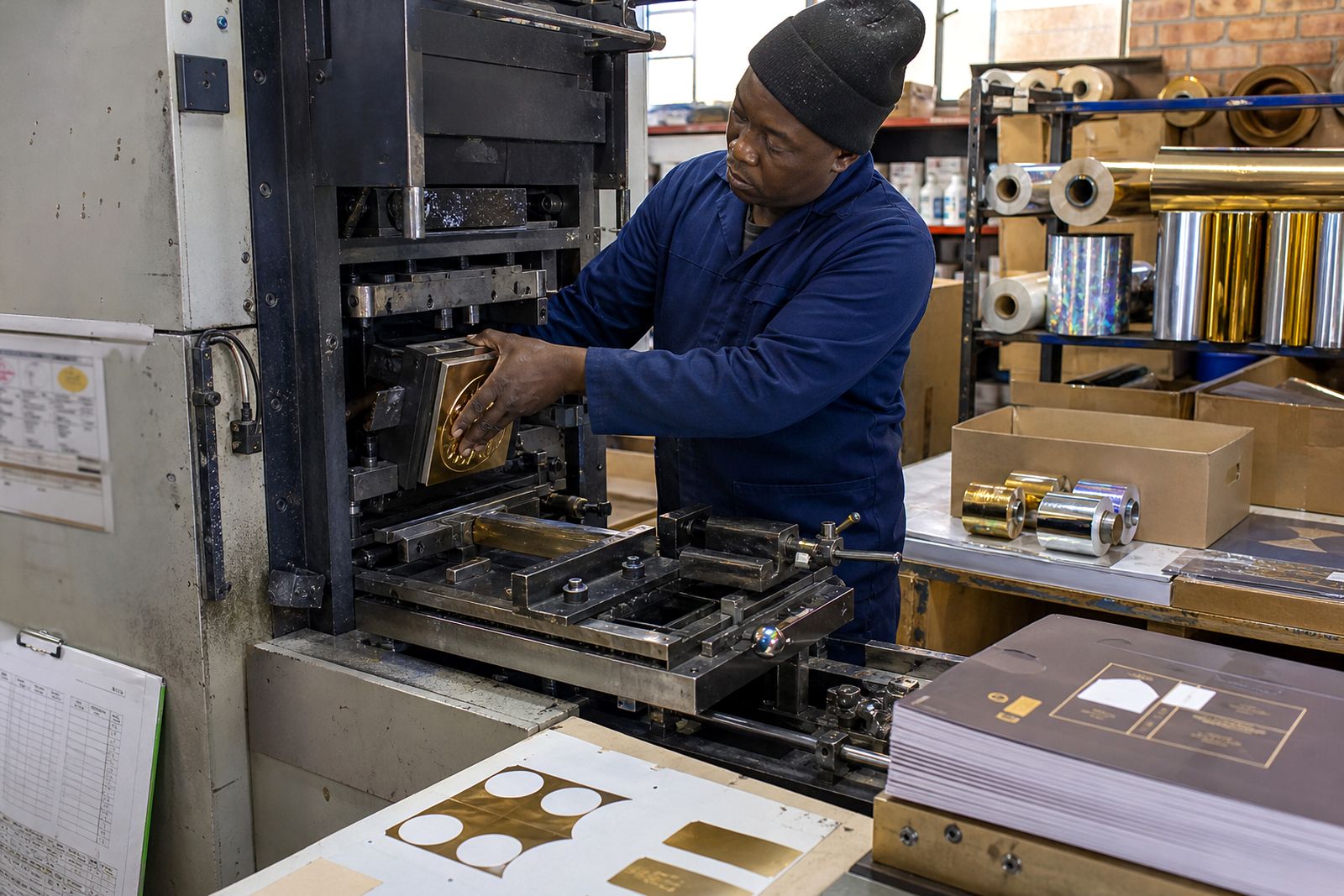
Agencies save time when the job brief names the substrate, press type and finish before artwork is approved. A good starting point is to note whether the job is for coated board, labels, cartons, book covers, leather goods, plastics, textiles or soft-touch laminate.
Also state the target foil family early. Metallic gold, silver, copper, bronze, mirror and satin foils behave differently from pigment, holographic, diffraction, security and specialty foils. If the job needs a very specific look, ask for a swatch book or sample before final sign-off.
For related guidance, see Key types of gold stamping foil and Why pigment foil still matters.
Specify the press details
Press-side information matters as much as artwork. Include whether the run will go on a platen, cylinder or roll-to-roll press, and whether the tooling is magnesium, copper or brass. That helps set the right make-ready route and avoids wasted approvals.
For agencies handling multiple suppliers, one clean spec sheet should show the foil slit to roll width, the intended die type, and any known constraints from the press room. If the job is on narrow-web labels, the practical notes are different from those for larger cartons or book covers.
- Press type and size
- Die material and layout
- Foil family and slit width
- Substrate and finish
- Artwork area and critical detail
See Narrow-web label tips and Die prep checklist.
Match the finish to the stock
Foil choice depends on how the stock takes the impression. Coated board, soft-touch laminate and textured or flexible substrates do not all release the same way. The same artwork can need different foil behaviour depending on surface energy, texture and density.
For foil on soft-touch laminate, start with test areas and keep notes on adhesion, impression and release. For leather, plastics and textiles, the substrate can need a different temperature window and a different dwell profile from paperboard jobs.
When the finish must read cleanly and consistently, ask for press-side advice before production. Typical starting points are tested in the press room, not guessed from a spec sheet alone.
Related reading: Foil on soft-touch laminate and Leather stamping basics.
Use temperature notes properly
Temperature windows, dwell and pressure are usually the areas where agency paperwork becomes messy. A useful spec sheet records the starting range to test, then keeps the approved settings with the final proof notes.
Do not treat one successful setting as universal. A metallic foil on coated board may not transfer the same way as a pigment foil or holographic foil on another stock. Release profiles, press speed and artwork depth all affect the result.
Practical notes to capture:
| Item | What to record |
|---|---|
| Temperature | Starting test range only |
| Dwell | Short, medium or longer hold |
| Pressure | Light, medium or firm setting |
| Release | Clean, partial or adjusted pull |
See Temperature windows explained and Choosing release profiles.
Keep approvals and supply moving
Most delays happen when the proof stage and the supply stage are not connected. Agencies can cut down on repeat email by keeping one approved file that lists the foil type, substrate, press notes and any sample reference used for sign-off.
If the artwork may also be used across packaging, labels and display work, keep the finishing notes separate by application. A foil that performs well on cartons may need different handling on labels, and security foils need their own control notes.
For support on supply and samples, use the contact form. For product context, visit the product range, the applications overview and the journal.
Useful folder set
- Final artwork
- Approved swatch or sample note
- Press and die details
- Substrate and finish
- Test settings and approvals
What our Hot Stamping Foil customers say
Verified Google reviews
Also worth a look
Ask about a foil for your job
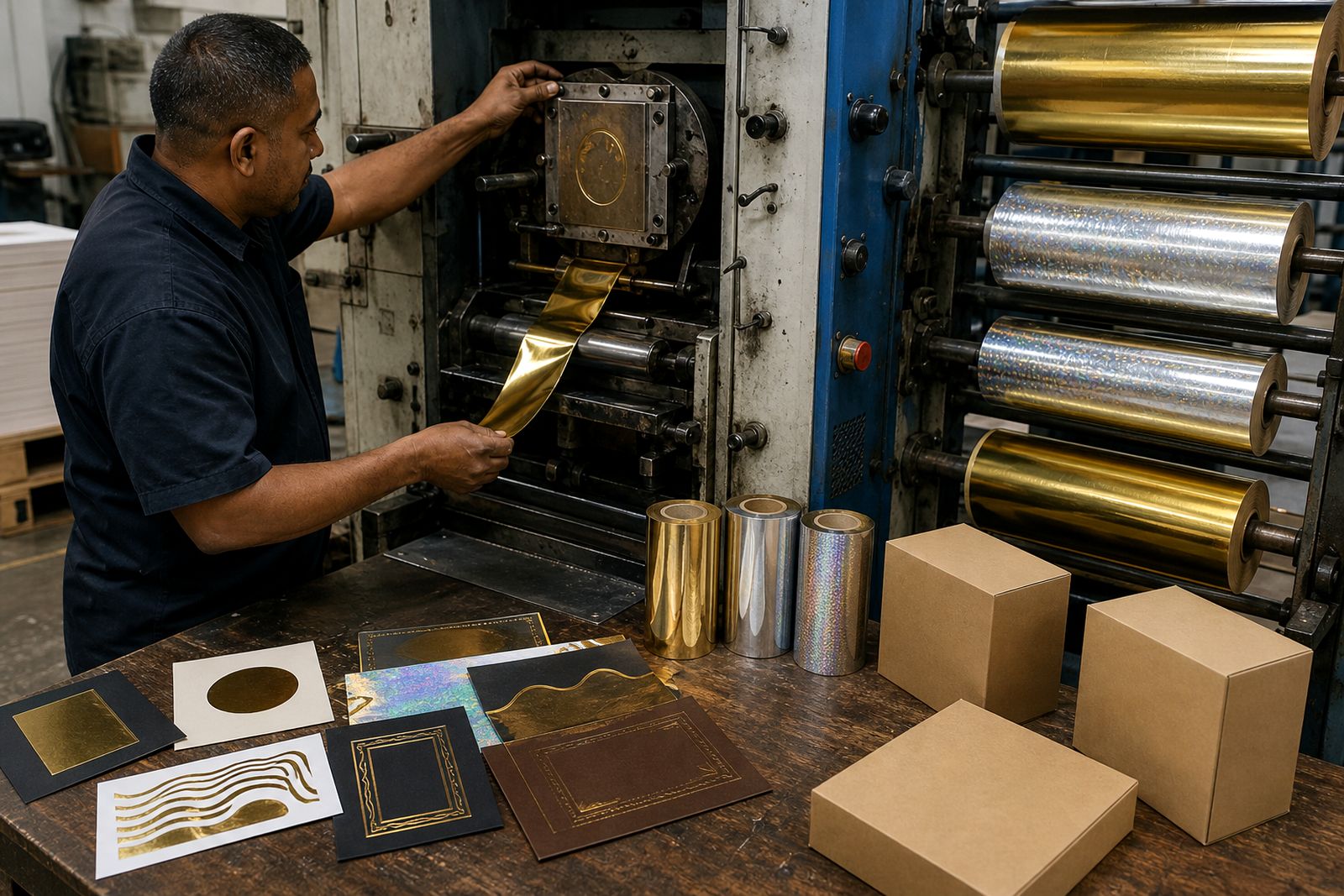
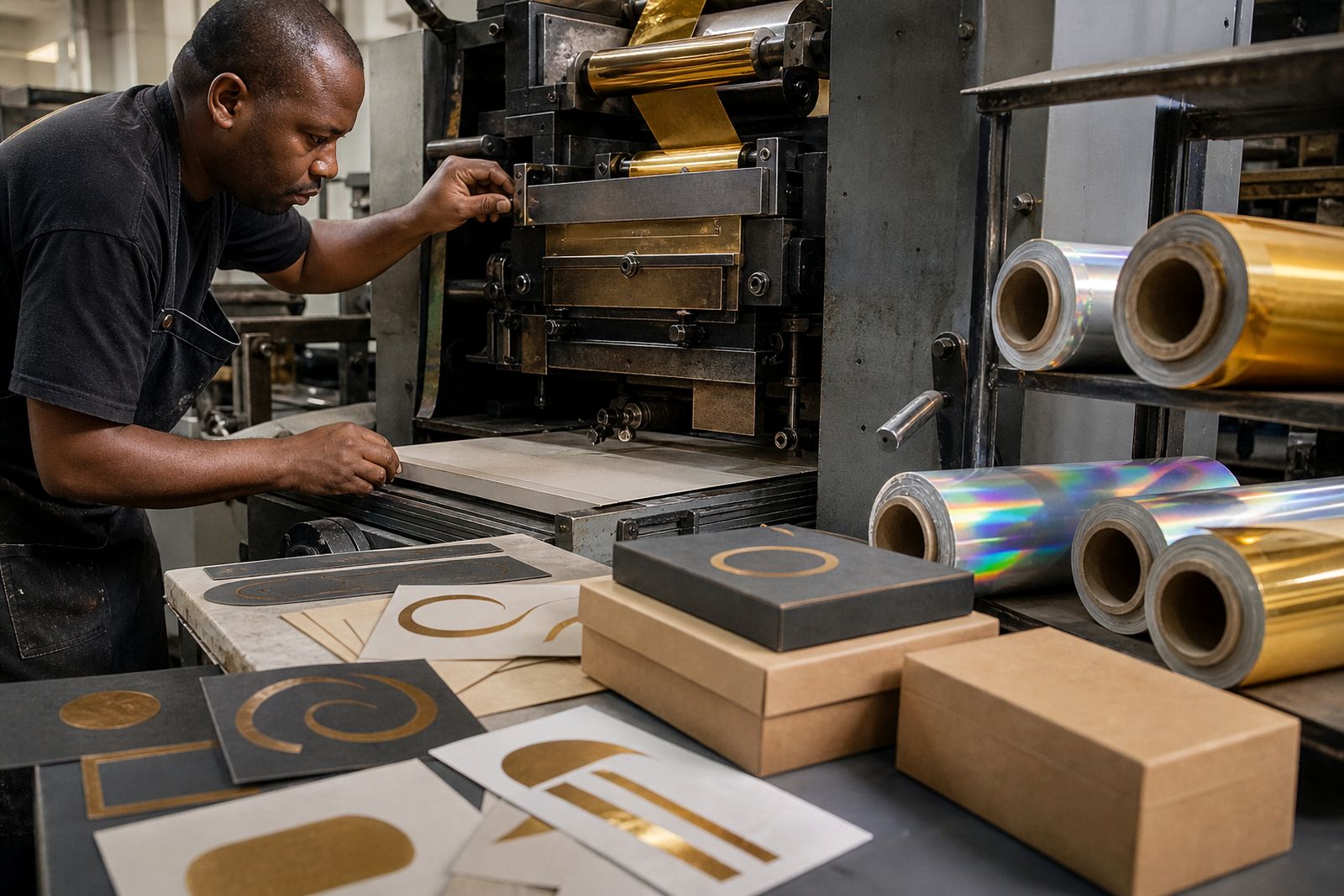
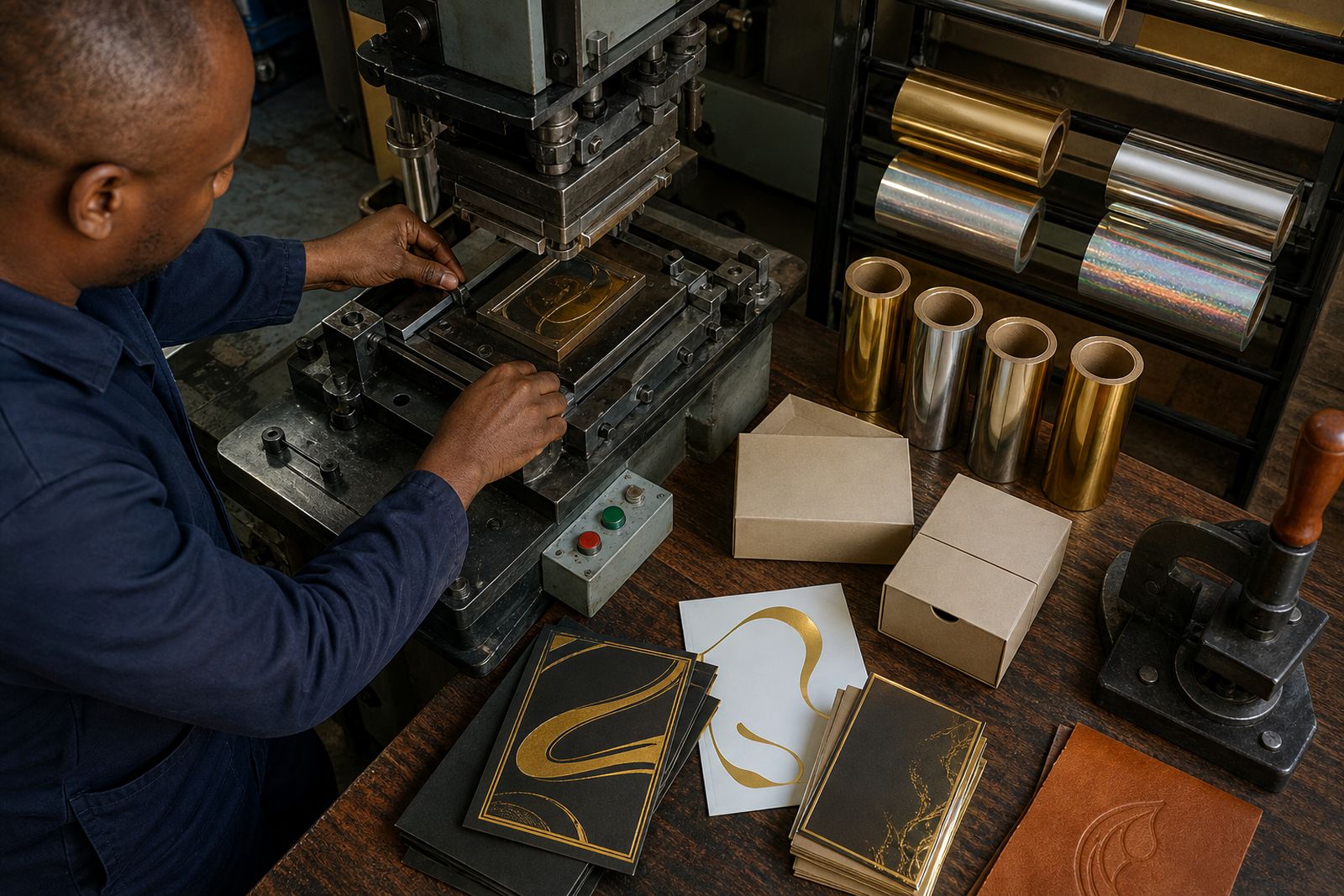
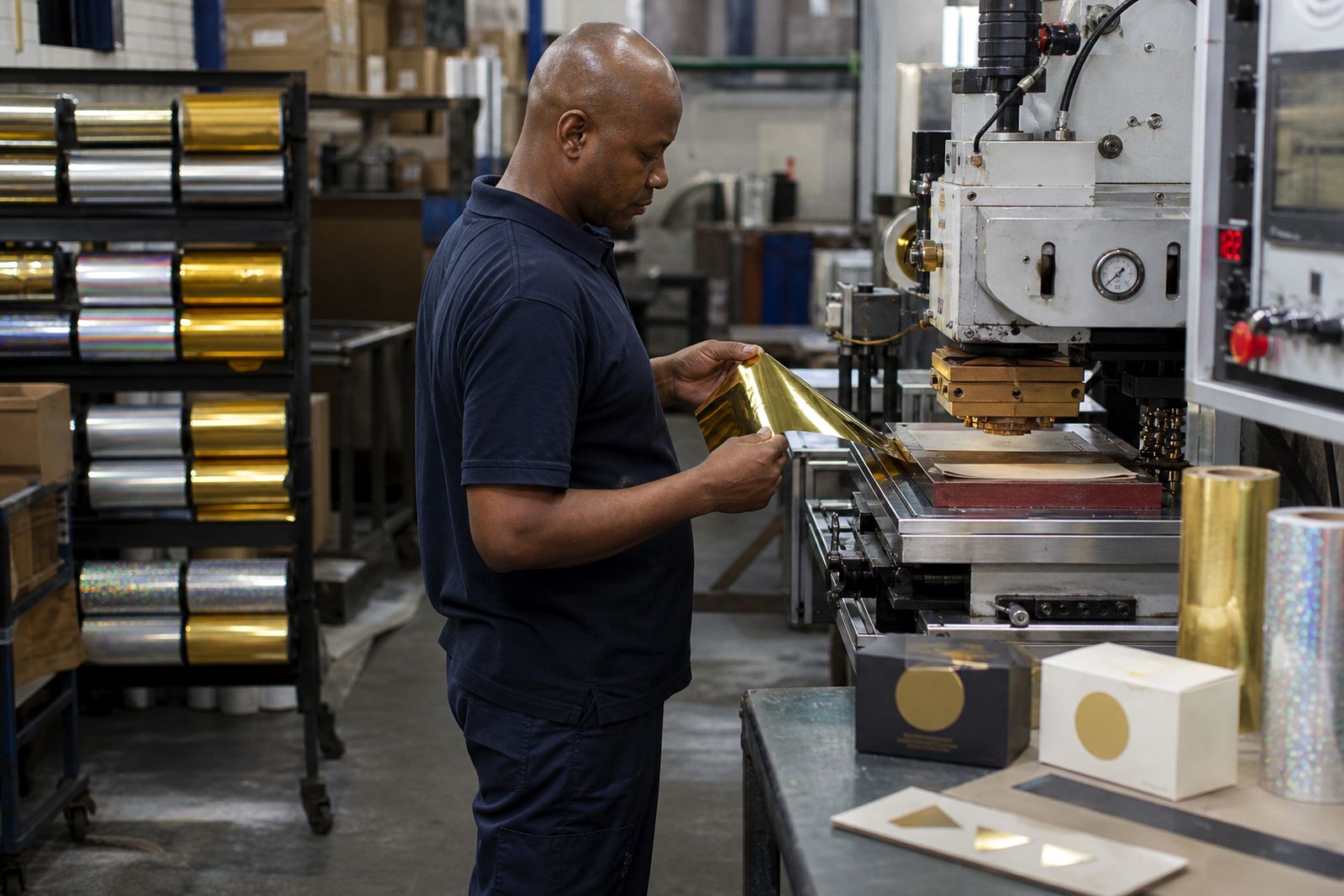
Send a note through our contact form with the substrate, the press you run (platen, cylinder or roll-to-roll), the finish you are after and the run length, and we will come back with a foil grade, a sample and a quote.
Open the contact form